OPINION: Why rating systems are worthless.

IMG_8420I’m not a reviewer, I don’t review things per se. I’ve tried to use this website to define myself as an analyst. In my about me section, I say that I attempt to “to look through entertainment from an analytical standpoint and expose the finer details that may be lost on most casual viewers in order to enhance the overall experience these productions generate” and I think I’ve done a pretty good job at doing that. However, there have been moments like in my track reviews where, in order to stay relevant, I’ve stooped to the level of simply just reviewing songs. This is something I’ve wanted to touch on for some time now but this fact is not the point of this article. This is just context for what I’m really focusing on.

In those times I’ve been a reviewer one may notice I’ve never given a standard rating for anything I’ve ever talked about. I typically tend to focus on one facet of a specific production whether it is a basic theme or motif that is used to reveal something deeper about a specific work. Keep in mind this is whenever I’m talking about a piece of media or entertainment. However, when I do a track review or sometimes a movie review I never end it with a rating. This is because I think rating systems are meaningless and contrived. Qualifying something with a numerical score is horribly subjective and what you’re doing is really only meaningful to you. I suppose that’s the point of doing a review, however many use reviews in order to form their own opinion about a work, often times without experiencing it for themselves. For pieces that are genuinely experiences and demand a personal touch, this is nothing short of a travesty.

There are two main reasons why numerical scoring fails to adequately describe a piece of work and why it is ostensibly worthless and in this article I’m going to explain both of them. The first issue is that most rating systems are incredibly ill-defined. Often times the critic’s rating doesn’t reflect what they say about the given work. Allow me to explain this with an anecdote. My friend and fellow writer Evan did a short review of the first Hellboy film. He said the film was “kickass” and claimed that Guillermo del Toro should direct more superhero films because “he’s good at it.” So imagine my surprise when he gave the film a six out of ten.

Now, to some, this may seem like the natural score. A six out of ten means the film was good, but from the words I was reading, I was expecting a rating closer to seven or even eight. Do you see what I mean? Using a rating system comes with the issue of subjectivity. There is no right way to define a six out of ten. Most can agree that anything below five means the film was bad and anything above is good, but if that’s the case then why use a rating system at all? If your audience is going to generalize your rating system then why make it complicated. This the rationale I use when reviewing anything. However, its worth noting almost everything I’ve reviewed has been positive. To me, it’s much more worthwhile to expose the masses to good artistic endeavors rather than bad ones. My perspective is very similar to that of Ego from Ratatouille:

The bitter truth we critics must face is that in the grand scheme of things, the average piece of junk is probably more meaningful than our criticism designating it so.

The second reason why I think rating systems are meaningless is the latent meaning behind them. I understand what I just said was an oxymoron but please bear with me I can explain. A perfect ten out of ten is the most sought after score any piece of art can achieve. Unless of course, you’re Evan, in which case it’s an A+. However, a “perfect” score is very rarely awarded by critics due to its implication. To most, when a piece of art receives this score it means that there is nothing further it can do to bolster its excellence. It’s the definition of its craft, the benchmark all other pieces should aspire to reach. Except it really isn’t. It’s been widely accepted by most that perfection doesn’t exist. It can’t. The imperfect universe that creates imperfect people cant create a piece of art that is objectively perfect. Art is an inherently subjective medium.

This is what scares most critics from giving a piece of media a ten out of ten. Take famous music critic Anthony Fantano for instance. As of today, he has only awarded five albums a ten out of ten, even though he’s been reviewing music for almost ten years now. Perhaps he just has high standards, but just looking at his website you can find that he’s given out a plethora of nines and eights. So what does that mean in the grand scheme of things? Well, a lot actually.

Fantano is almost infamous for his harsh ratings, and this is no accident. If he were a critic that handed out ten after ten after ten I don’t believe he would be nearly as popular as he is now. Now I don’t think Anthony Fantano has some hidden agenda that he’s been secretly using to dupe his audience into believing he’s some kind of musical connoisseur, because, if I’m being honest, it’s really his fans who created this sanctimonious idea of his character. Fantano has just accepted it and promptly followed suit, likely subconsciously, and he’s not the only one guilty of this. All reviewers have this issue. They all have to protect their “credibility” that has been forged by the writ of their audience.

In one fantastic video simply titled “Game Critics” made by internet personality “videogamedunkey”, he claims that the only difference between the average Joe and a critic is that the critic gets paid to say their opinion. I agree with this, but I would also add that the critic has a bigger audience they constantly have to acknowledge and this ultimately ruins the way critics rate their respective mediums.

Whether it be music, film, or art, it would seem entertainment is forever to be cursed by terribly flawed rating systems.
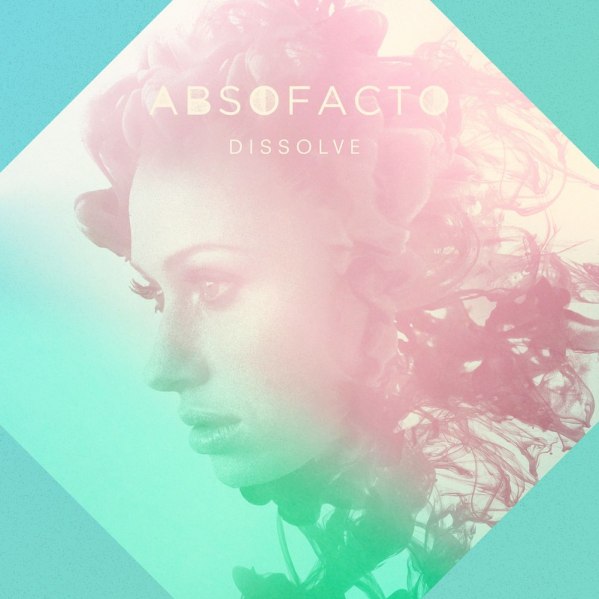
150-word track review: Dissolve – Absofacto

Absofacto-Dissolve.jpgAbsofacto beautifully blends industrial rock and electronic pop in this beautiful ode to unhealthy relationships. This is the opening track to his 2017 EP Thousand Peaces. There are a lot of moving parts to this track and the elements he uses from the different genres he takes inspiration from are blended perfectly into one cohesive ballad.

I just wanted you to watch me dissolve, slowly in a pool full of your love, but I don’t even know how the chemistry works.

His explanation of falling deep within a love even he can’t control is contrasted by his tone. He sounds almost sanguine if not a little confused and this works very well with the subject matter at hand. It’s one part nostalgic and another part poignant, this is a relatively difficult emotion to evoke but he does it quite stylishly.

Don’t let this song dissolve and just give it a listen.

Fahrenheit 451 and dystopian novels today

less jpeg

Authors Note: I noticed after finishing this article a lot of my criticisms were focused on young adult novels that used a dystopian setting rather than actual dystopian novels marketed towards a more literary demographic. I realize that may seem a bit disingenuous and for that my article may seem a bit uninformed. However, I stick to what I believe and encourage everyone to continue reading. I think this is a good article if you consider the fact that the main focus is on the merit of Fahrenheit 451. Thank you for reading and for your continued support.

I think it’s ironic that many students are forced to read Fahrenheit 451 in school despite the fact that in doing so they’re essentially carrying out the antithesis of what the book is actually saying. The novel embraces the choice people have to read and educate themselves. It’s one of the most basic human rights that almost comes naturally. Having that stripped away is where the dystopian aspect of the novel is made salient. In some respects, it’s why the novel still holds up after all this time.

Dismantling the novel’s impetus aside, it’s clear that many dystopian franchises created today take, at least some, inspiration from Fahrenheit 451. It’s clear that the novel was formed as a reaction to the technological boom that occurred in the 1900s, but it still contains a lot of the same motifs seen in dystopian novels written today. Censorship, fascism, conformity, a distinct lack of individualism, brainwashing, these are all common themes rampant within contemporary dystopian stories. However, Fahrenheit 451 somehow manages to break the mold set in place by most dystopian novels today despite being sixty years old.

This is accomplished through several means the first being its core plot device. Something devoid in more recent work like The Hunger Games and The Maze Runner is an interesting modus operandi. Too many dystopians focus all their attention on the various elements in the setting rather than a captivating main idea. Now, this is called world building it’s the process of constructing an imaginary world and very important to dystopian novels. However, a slightly interesting dystopian setting is simply not enough to carry an entire novel.

Ray Bradbury does the exact opposite of this and uses the decrepit setting to push the main themes of the novel that was already set in place by the fact all print media has been declared illegal. Does that technically count as world building? Yes, but it serves more than just that singular purpose.

Interesting sci-fi elements like the hound; an eight-legged robotic dog and the seashells; our modern-day equivalent to airpods are just fancy dressings to advance the true plot. However, if this novel were written today, these inventions would probably have a bigger impact on the story. This is also why most dystopian novels written in the present time have very little substance other than the tired “government is bad, people are good” trope so routinely used. In fact, the true villains of Fahrenheit 451 are the people themselves who chose to abolish all printed media. The unofficial antagonist, Captain Beatty explains in his own words the inherent treachery latent within print material:

‘Colored people don’t like Little Black Sambo?,’ Captain Beatty says. ‘Burn it. White people don’t feel good about Uncle Tom’s Cabin? Burn it. Someone’s written a book on tobacco and cancer of the lungs? The cigarette people are weeping? Burn the book.’

There isn’t any totalitarian government established in deep within the lore of Fahrenheit 451 instead the novel exposes the natural progression humanity is moving towards. It’s about the irreversible damage of censorship and the danger that comes with knowledge. Come to think of it, it’s rather alarming how many things Bradbury ended up predicting. Everything from flat-screen televisions, Bluetooth headphones, ATM machines, politically correct culture, drones, you name it. While those things weren’t necessarily invented by Bradbury its certainly interesting to see the role they play in today’s society.

I suppose that’s another issue with present-day dystopian novels; there’s no payoff. Humanity hasn’t seen any of the effects they’ve had on culture until way later and while that isn’t really any fault of their own it’s still a constant factor that spoils their overall enjoyability. One could call that a little unfair, but I think if it really were to have any impact it would have shown some sign of it by now.

In comparison to Fahrenheit 451, the notability is almost unprecedented. It’s has been message spread clearly throughout thousands of school curriculums and its talking points are taken seriously by teachers and students alike. This is where we come full circle and have to remind ourselves what this novel really symbolizes. Some even consider it a novel that changed the course of our future, something Ray Bradbury actually intended to do.

I am a preventor of futures, not a predictor of them. I wrote Fahrenheit 451 to prevent book-burnings, not to induce that future into happening, or even to say that it was inevitable.

This is even more interesting considering the fact his novel has actually been banned by several schools. Whether the intrinsic irony in doing so was unbeknownst to them is unclear but it says a lot about the overall impression this novel has left on the populace. Our futures are safe for now, however, given that we already know history is bound to repeat itself, who can say for how long.

It would seem the cycle of irony continues as Bradbury’s classic is continually adapted into movies and most recently a live-action television show on HBO. I guess some people will just never learn.

150-word track review: Spazz! – Angry Blackmen

angry men

Angry Blackmen is a rap duo comprised of Brian Warren & Quentin Jamal Branch II. They’ve recently released their first EP following a plethora of singles and today I want to talk about the most standout track from it; “Spazz!”

The Chicago based duo exemplify two things: brashness and pure energy. Their gruff voices perfectly compliment their Ronny J like production. Their only fault is that their enthusiasm is their only prominent trait. They have limited rhyme schemes and at times their flows can become samey.

However, one thing I don’t anyone can deny about their sound is that they have passion. They aren’t afraid to have fun with their music and that charm is consistent with everything they’ve released so far. They come in, spit some bars, have a few laughs, and promptly leave when the party’s over. Now give this song a listen, before they spaz out on you.

Injury Reserve “Let There Be Light” @ The Moroccan Lounge 4/2/19

injurytThe night was cold and the wind was howling. My friend and I were anxiously waiting to see, alternative hip-hop trio, Injury Reserve perform what they had called a “special engagement.” The show was only five dollars and on a first come first serve basis. Injury Reserve is infamous for hosting shows with a minimal price tag. Last year they played a show at the constellation room in Santa Ana with fellow rapper JPEG Mafia for free. Inclusivity is their trade-mark. I was told by my friend that their shows always showcase something different and he was certain this one was no exception.
One quick look at their Instagram confirmed his suspicions further. A video they posted a few days prior showcased a technologically detailed light show setup. The caption for the video simply read, “LTBL” which we knew, of course, stood for “let there be light.” The iconic tagline for the ultimately daunting show. At this point, we were ecstatic and couldn’t wait to see what the guys had dreamed up.

We ended up sitting in line for about an hour but there were some interesting moments of entertainment mixed in. A few guys who called themselves “Injury Reserve TV” came over and interviewed several people waiting in line, one of those people being my friend. I have to admit the guys had a lot of charisma and were pretty hilarious. We also caught Ritchie with a T checking out the line with his girlfriend. I was quite surprised by how respectful everyone was about seeing him in public. Only a few people called out to him and even then, nobody flooded him for pictures or autographs, even when he was walking around the venue itself, it was the same deal. That was my first big takeaway from that night.

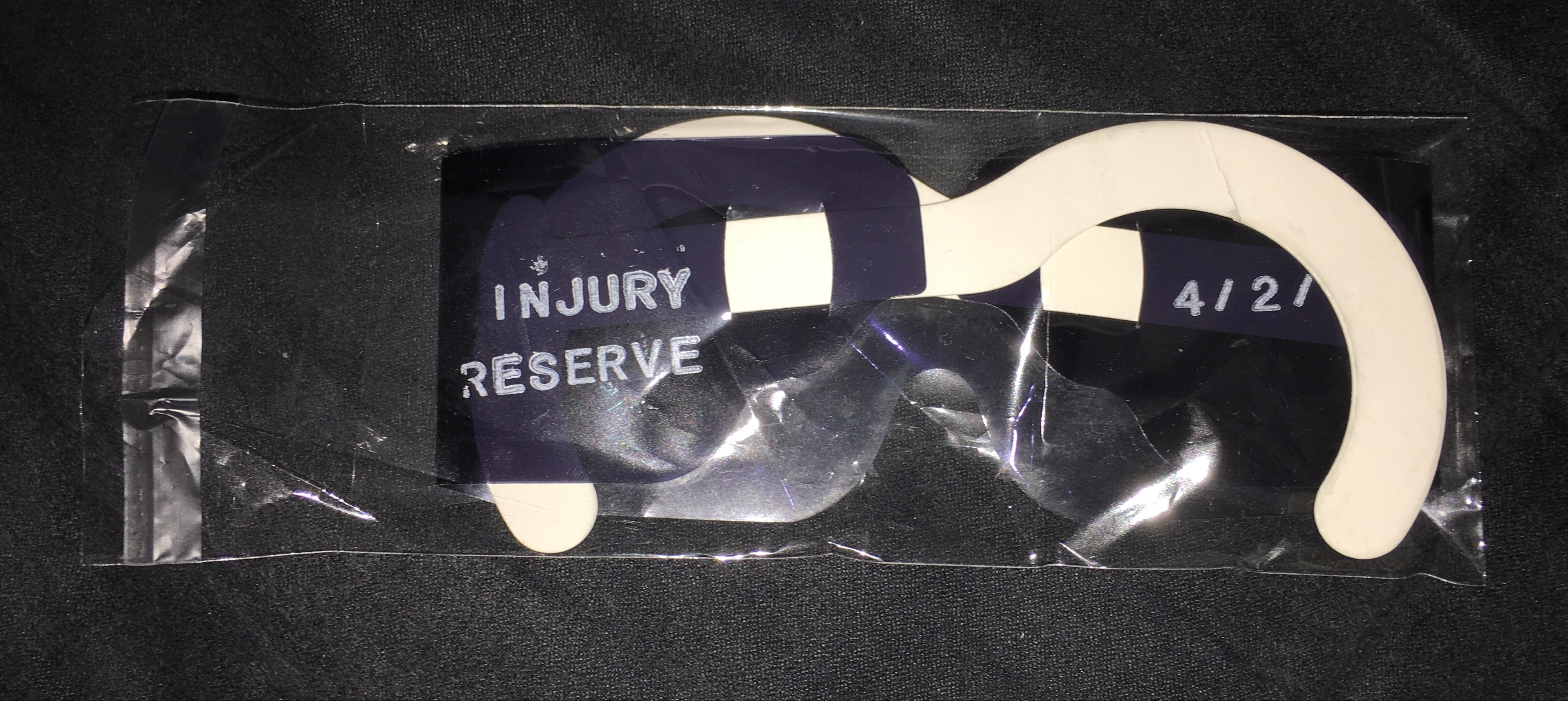
At around 8 the line was moving. As we stepped in we were given special glasses with the injury reserve tag and the date on them.

c3a3657b-cb51-450b-a0e4-8bf659a26278-e1554329154442.jpeg
My glasses from that night.

I was confused as to what their purpose was until we walked onto the main hall where the stage was. On it, we saw a vast array of lights just like the ones from their video on Instagram. My friend and I exchanged goofy smiles because we could already tell we were in for a treat.

The concert wouldn’t start for another hour or so. So we took the time to grab our merch and talk to a few people. Among the people I met was the incredibly talented musician Christian Akridge, better known by his stage name; Christian Leave. He was in the stands also waiting for the show to start and when I recognized him I was at a loss for words. His warm friendliness, however, was enough to get me out of star-struck state and we had a pleasant conversation about bidets. Here’s hoping I get an interview with him soon.

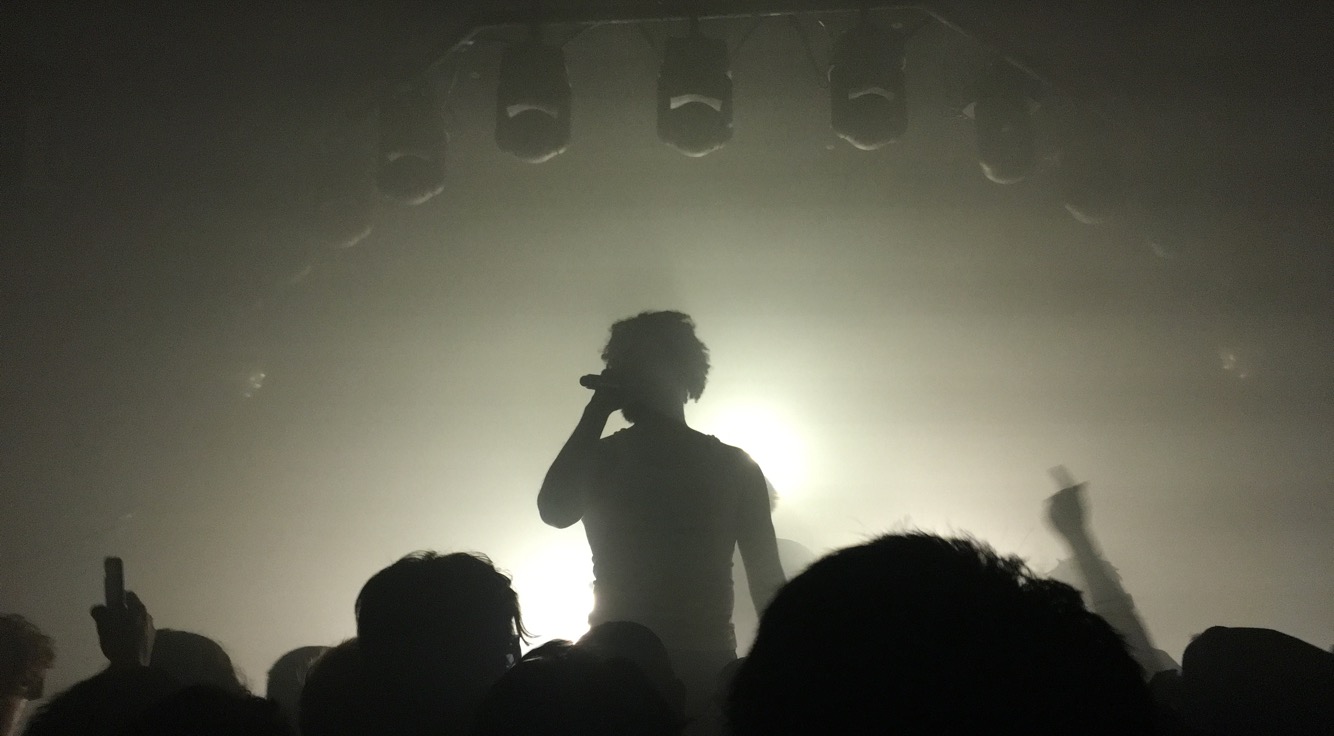
The concert began at around nine o clock and it started off with a bang. I remember the room suddenly filling with a heavy smoke the stage barely illuminated. Then all at once, Ritchie, Parker, and Stepa came up on stage. The crowd roared and before I could join in the lights suddenly flashed on. Even with the glasses on my eyes were still watering but watching Ritchie’s silhouette irradiated by the powerful white lights was a sight to behold.

994B9827-A966-46BB-A367-BAE6DD0EE672
The only photo I got from that night

I don’t recall the first song they played, to be honest. Most of the setlist eludes me. I was way too doped up on adrenaline to remember everything. All I remember is the moshpits starting almost immediately. Everybody in unison was jumping, screaming, singing along, and just overall having a great time. It was pure chaos but the best kind, in my opinion. That by far was the most fun I’d had at a concert. It reached its peak when the gang performed their most recent single “Jailbreak the Tesla” which is the first time they’ve performed it live, I might add.

Nobody wasn’t moving for this one, we were able to make the 275 max occupancy building shake. A feat I think everyone who attended should be proud of. This is also the song where my glasses were knocked off, stepped on, and then promptly broken. However, I was able to fix them albeit with great difficulty. Never try to perform plastic eyewear surgery in the middle of a heated crowd, it’s a stupid idea.

Now that’s not to say the whole show was high tension. About halfway through the performance, the group played two of their more downtempo songs “North Pole” and “ttktv.” It was nice to get a short break after moshing for a good 30 minutes straight. However, this solace only lasted a few minutes and before I knew it we were back to the former. Once again I don’t remember much. However, I do remember seeing dad_reacts in the crowd who was also moshing.

The concert ended around 10 but the crowd wasn’t finished and screamed for an encore and, of course, Injury Reserve delivered. They played “Jailbreak the Tesla” again, however this time with a twist. Like last time the crowd was still just as chaotic but no one expected what would happen next. Fellow rapper Aminé showed up unannounced to perform his verse from “Jailbreak the Tesla” and the crowd went wild. It’s incredibly difficult to adequately describe the anarchy that filled the room. People screaming, laughing, sweating, it was an experience. Then, just as quickly as it began, it was over.

After the show ended, Injury Reserve went to the merch booth and took the time to sign peoples shirts and take pictures with their fans. They were really genuine guys and I made sure to thank them for an amazing concert. They actually told me they wanted to make the concert free, but the venue was too expensive, so they settled for five. That was the second biggest takeaway from that night and something I don’t think I will ever forget. Never before have I been to a concert that was so personal. Injury Reserve, these guys really just love their art and care about the people who listen to them. They are people who are dedicated to giving people experiences. Moments in time they won’t forget. I patiently await their upcoming self-titled album, but for now, we’ll just have to stay in the dark until they show us the light.

Chatting with the creative mind behind Bummer Dreams

IMG_6046.JPG

Jett Little is a prolific artist known for his abstract album cover artwork he frequently posts on his Instagram. Jett is also the drummer of a budding alternative rock band known simply as Bummer Dreams. I’ve wanted to interview Jett for quite some time now and only recently has he had time in between shows to grace me with some of his inspiring words. First, allow me to set the scene.

It was a warm Sunday night when I decided to call Jett Little. Already I could tell he was in a chipper mood as he was gearing up for a gig he was supposed to play on March 22, 2019. I allowed him to collect himself before I asked any questions. Little did I know his responses would hold more substance that I could have ever hoped for. Jett possesses a character with so much charisma and sanguinity it was hard to keep myself from slipping into informality. However, I was able to keep my cool just long enough to get a few words out of this incredibly talented human being.

This slideshow requires JavaScript.

How would you describe your art?

In a very broad term I would describe it as, okay like, have you ever been to a record store and you see all those weird harsh noise seven inches and they’re like really f***ing weird to look at but they’re so entrancing? I don’t know how to describe it. Basically, it’s just a lot of things that influence me and I just combine all of that s**t into like something completely new.

So what are your influences?

My main influences, since I’ve always grown up around music like my entire life, especially punk music, I’ve been mostly influenced by the posters and the advertisements that a lot of punk bands use. I’m always just grabbing stuff from like different art pieces and grabbing inspiration, but mostly it’s like screen printing, and definitely album covers.

Are you the kind of worker that likes making a lot of pieces at once? I notice you post very often.

I just have a constant drive. I wake up in the morning and I’m just like, “I gotta create something.” I just really gotta put my creative energy out there. Whether being music or art or anything like that. Even though I do work on a couple pieces simultaneously I mostly just do one or two pieces every single day just to get my constant addition to creating art fulfilled.

In other words, art is like your lifeblood?

It’s literally the thing that’s has taken over my entire life. It’s the only thing I really care about. I definitely prioritize art and music over everything so it just dictates my entire life. Its how I survive through my day without freaking out. I just think its really important to have an outlet to express your emotions. I consider myself a pretty emotional person. My therapy, the best sort of therapy, is just like just constantly playing music and doing art.

Do you have a creative endeavor that you’re most proud of?

I don’t know. I love all my pieces. There’s definitely a few I would much rather show a large audience but I don’t think I have one piece that’s just like, “that is the one.” I feel like I’m always evolving as an artist. It’s just very good to evolve as a person. So I can’t say one piece is like my magnum opus cuz I think I’m just gonna keep on making more pieces that I’m satisfied with in the future, hopefully.  An aesthetic I was really into a year ago is going to be completely different now. My vision always changes.

It keeps your artwork fresh.

Oh yeah, it does, it does a hundred percent. Nobody wants to fall into the hole where like they just constantly follow what’s trending and they never leave mediocrity. They don’t follow their own path they only follow everyone else’s. What really drives me is following my own path and doing my own stuff.

Who inspires you?

I’ve grown up around artists my entire life. There’s a lot of artists I’ve found on Instagram and stuff that just like every time I look at one of their pieces I just have to create something, I get so many ideas.

Is anyone in your family an artist?

Yeah! My entire family is artists. Both of my parents were both in bands in the 90s and my dad used to screen print. On both sides, everyone is an artist or a musician. 

Do you have a motto that epitomizes you as an artist?

Not a specific motto, but a couple ideologies. Keep on evolving. Never change what you do for something that isn’t worth it. Don’t be a sheep basically. Stand out from the others.

What has been a defining moment for you as an artist?

My first time displaying art at an actual art show. I met this chick named Victoria at another art show and she was a really good photographer and painter. We later discussed on Instagram, because she has shows I think once or twice a year called Color Theory Club. I was just really getting into art, like making pieces every day. I was just like, “Hey maybe I can get one or two pieces at your show?” And she actually said yes, I was freaking out. So getting my art displayed and getting compliments from real people I don’t know. That’s definitely been a super proud moment of mine.

Moving away from defining moments, what’s a big struggle you’ve had to overcome as an artist?

I never want to feel like a disappointment. Like people say, “you’re not being a f****in doctor? You’re just gonna sit on your ass all day and twiddle on Photoshop and Adobe Illustrator? You’re gonna try and get a job from this?” I constantly hear that. In order to be a mature person, you gotta not be bothered by naysayers. They just think art is like painting or some s**t.

Given your mindset, what do you want to continue improving on specifically?

I definitely want all my pieces to be more pleasing to the eye. Your job as a graphic designer is to make stuff that’s nice to look at. My constant drive is to make stuff that’s good to me. I want to learn how to express my ideas more and make more things where people can get the message. I feel like I make a lot of vague messages in my art. People always ask me, “what does that mean, are you suicidal or something like that?” Like they always get the wrong idea from my pieces.

It’s been great talking to you, where can people who are interested in your art find you online? 

They can find me on my main Instagram @himomletsgo and my bands Instagram because we’ve been playing a lot more shows lately, @bummer.dreams on Instagram.

And they can also find your band on Apple Music correct?

Oh yeah, yeah, yeah. Apple Music, Spotify, literally everything. 

Perfect, thank you very much. Your artwork is really amazing. Being able to watch an artist grow is almost a privilege in itself. I can’t wait to see what you put out next because I know it’s always going to be something different. 

Exactly, thank you for setting this up!

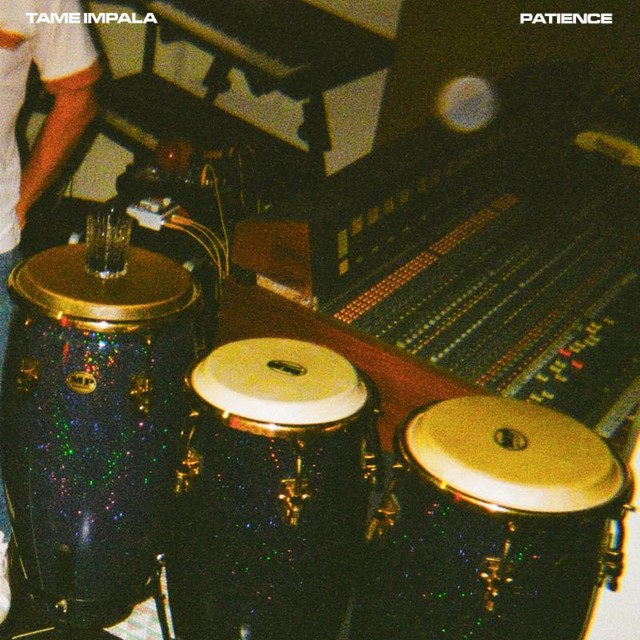
150-word track review: Patience – Tame Impala

After almost four years of radio silence from Tame Impala, Kevin Parker has finally decided to grace our ears with a brand new single. I honestly have no idea if this song is actually good or not It’s just incredibly exciting to hear something made exclusively by Tame Impala.

The song of course is by and large about Parkers supposed disappearance.

Has it been even that long, did I count the days wrong?

However, he also takes the time to explain himself. Maintaining the fact that he’s working on refining his art and time is not of the essence.

I’m just growing up in stages, living life in phases. Another season changes.

The track is standard fare for Tame Impala. It’s poignant and introspective with a contradictory instrumental to clash with Parkers melancholic voice.

We have been patient enough as an audience. It’s time to give this track a listen.

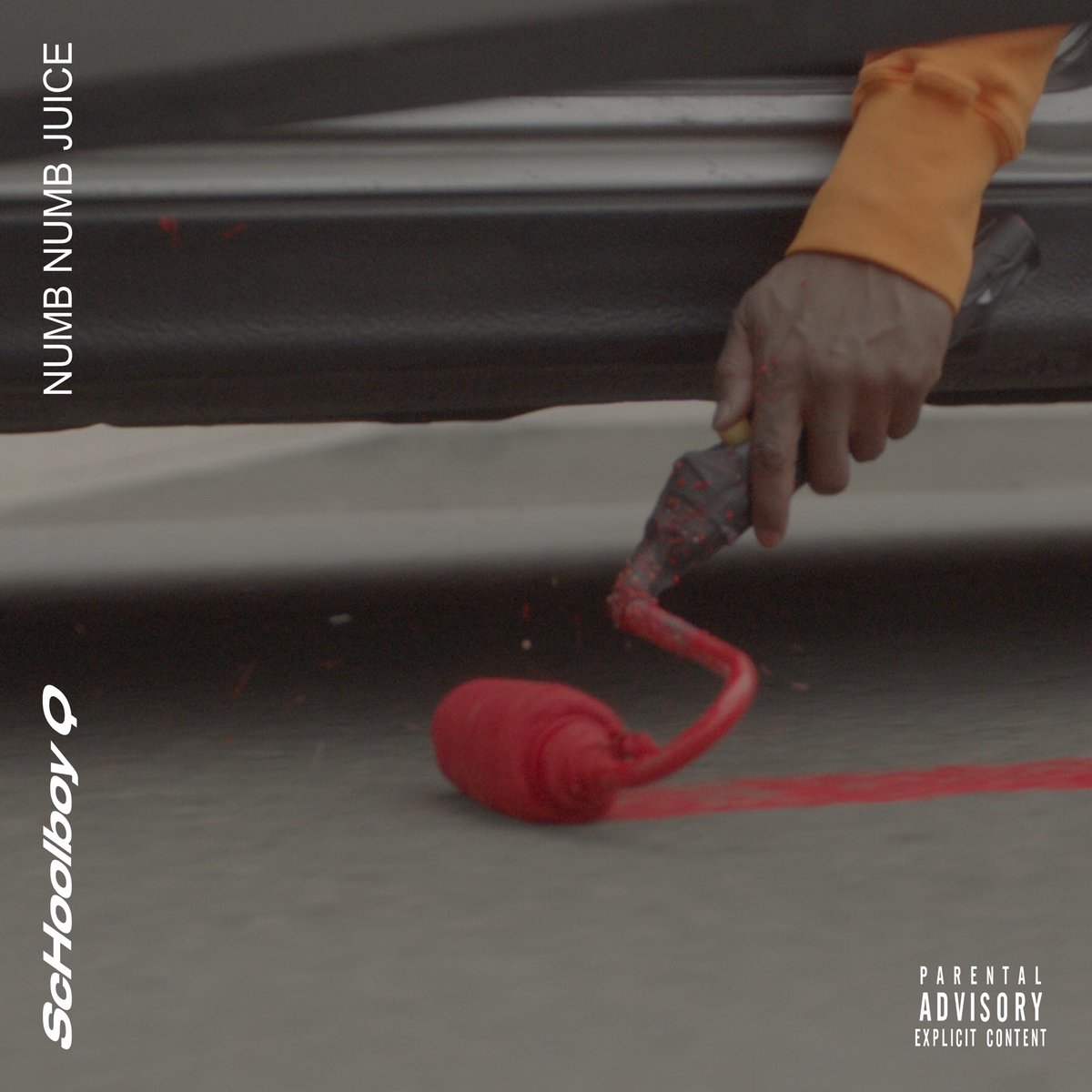
150-word track review: Numb Numb Juice – Schoolboy Q

Following the death of his friend, Mac Miller, ScHoolboy Q has remained ostensibly silent. However, it would seem that a new release from the LA rapper is on the way with the release of his newest single “Numb Numb Juice.”

In this track Q gives his take on what he considers “bitch shit” even going as far as to sneak diss fellow emcee 6ix9ine.

Telling on your mans so you can scram, yeah, that’s bitch shit

The rapper blends several different flows on this track on top a beat masterfully curated by the likes of Nez & Rio, DJ Fu & Baby Keem.

The music video that premiered the same day as the single features several pop culture allusions like the now infamous Elon Musk, Joe Regan interview and the 1998 film Belly.

You could be numb and not to listen to this track, but if I were you I would give it a listen.

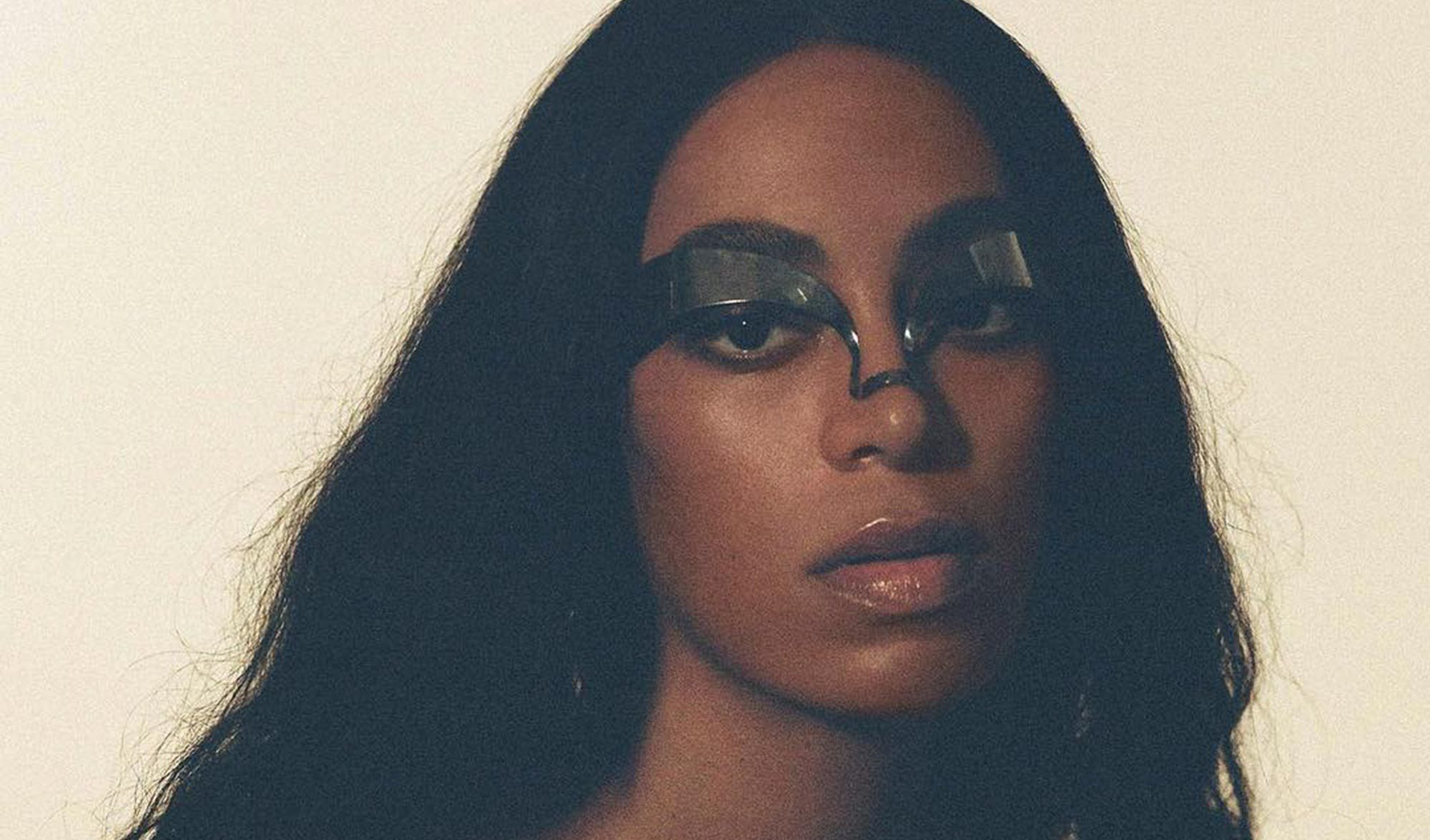
How Solange uses repetition in When I Get Home

solange

Repetition in prose and poetry is typically used to emphasize a feeling or an idea. A distinct rhythm is created by repeating various phrases or words that are meant to have an impact on the audience. If such is true for music, which it definitely is, then everything in Solange’s fourth studio album When I Get Home can be considered impactful.

Taking inspiration from some of the great soul artists of recent past like Stevie Wonder and Coltrane; Solange’s new record consists of long repeated verses, anecdotal references towards her life in Houston TX, and incredibly precise production. Solange being the de facto core producer of her own album meant she had a lot of creative control over all sonic elements. In an interview with Pitchfork, she called producing her “heart and soul” and revealed that:

it is rather difficult as a producer to be reduced to just the songwriter or just the artist when you spend 18 hours editing one drum sound….We’ve come a long way from that for women, but it’s still got a little ways to go—the way we’re able to have that conversation about Rick Rubin but we’re not extending that conversation to others

With that being said, it’s clear that her use of repetition was instrumental in communicating her feelings towards her hometown and by extent her life in general. She corroborates this once again in her interview with Pitchfork:

With this album I had so much to feel. Words would have been reductive to what I needed to feel and express. It’s in the sonics for me.

It certainly shows in the production of this record that Solange certainly had a lot to say about how she felt. Every track plays like a vignette focusing on one specific aspect of her life in Houston or black culture as a whole. This is achieved by her masterful use of repetition, which is by far the most captivating facet about this LP. Something repetition can emulate, especially in terms of musicality, is prayer or meditation. The repeating of a particular phrase or sound is typically used to facilitate a zen-like state in the individual participating, and the same can be said for When I Get Home.

The repetition of words can cause the listener to feel like they’re slipping into an out of body experience. The words become ambiance, their latent meaning cemented deep in the minds of the audience whether they’re fully conscious of it or not. Several tracks can pass without the listener even noticing. For some artists this may be the adverse reaction they’re hoping to achieve but for Solange this is a calculated choice.

Perhaps this effect is also thanks to Solange’s sonorous vocal performance throughout the whole record. She commands a soprano style of singing whilst blending a plethora of other tones and musical genres together. It’s more than just a soul record; it takes a variety of styles and mishmashes them into a genre-bending experience. This is yet another deliberate choice made by Solange. She takes the time to pay homage to the chopped and screwed style of remixing which was pioneered in Houston in the late 1980s and early ’90s. This tribute is best heard in tracks like “Almeda” and “The Sound of Rain.” However, the aforementioned dream-like effect created by Solange is best demonstrated by the opener of her album.

The very first track of When I Get Home begins with Solange repeating the phrase “things I imagined” and after the time signature changes, in one big crescendo, she repeats “taking on the light” before the track finally simmers down and seamlessly transitions into the following interlude. At a glance one might notice a possible disadvantage that comes with this style of music. The lack of complexity in her lyricism makes her music incredibly simple. However, what she lacks in lyricality she makes up for in pure substance. Her voice essentially becomes the music, rather than just layering over top of it. So much is apparent in “Things I Imagined” which features a piano that plays in time with her singing and in the same key as her voice. Her overwhelming focus on the sound of her record is self-evident and continues throughout the entire release. This is ground rarely tread by artists so hearing it done now is very refreshing.

Solange isn’t trying to hide anything with When I Get Home, each track is within itself, a piece of her life manifested in the form she loves and knows best. This is why her roots played such an important role in the creation of this record. Perhaps the free-flowing style of production she chooses is supposed to mimic her thoughts in some way. The audience, while drifting themselves, navigates through the fragmented memories as they go deeper and deeper into the track list. Just as Solange moves freely throughout her mind the audience is reminded of their own past and roams about their consciousness. With that being said the album is noticeably immersive.

Solange can evoke even the most ridiculous of imagery and emotion with her constant repetition. For instance, in the previously mentioned track, “Almeda” Solange repeats the words “Brown” and “Black” then follows it with seemingly random words that reference alcohol, luxury cars, and sugar. Creating symphonic assonance within the track. While it may seem like random gibberish to some, it’s actually a solid defense of southern black culture and exhibits the pride she feels in being a part of it. If this wasn’t explicit enough “Almeda” gets its namesake from the area located in Southwest Houston. However, what’s really interesting about this song is how it keeps in line with what the rest of the album is accomplishing. Nothing about the production of the album or overall quality is being compromised in order to communicate these complex themes clearly and this is a difficult feat to pull of gracefully. However, Solange does this effortlessly.

There are a lot of layers present in When I Get Home and Solange systematically peels through each and every one of them in order to get to the core. The core being her most visceral convictions and emotions. Solange allows herself to be vulnerable on this album and attacks the most personal parts of her soul. The audience floats past her most intimate sentiments and memories amongst a sea of hundreds other that play just like it. The final track “I’m a Witness” acts as a perfect sendoff for the listeners. It’s a slow ballad that ends the same as the first track did, with Solange repeating the phrase “taking on the light” with iambic stress on the word light. It’s almost like a prayer, a gesture of hope and cheer. Whatever story it’s telling the most important thing is that it’s coming directly from Solange. No matter what track you’re on Solange makes you feel at home.

Why the #Vanschallenge is so strange

vans.jpgFor the past few weeks, heaps of individuals on Snapchat and Instagram have been flooding the platforms with videos of them precipitating their sneakers to see if they do indeed always land right-side up. There are thousands of videos about the so-called #Vanschallenge that both debunk and corroborate the validity of the claim at hand but what’s so interesting about this new trend is the sheer volume of attention its garnering. All the concentration has been on the seemingly magical properties of the shoe itself but something nobody has brought up is why this even happens in the first place.

Vans are created using a process called vulcanization. It’s a process that involves the heating raw rubber to cure it which in turn creates crosslinks inside the rubber compound bonding it together. However, the part most should be interested in is the sole of the shoe. The sole and outsole part of the shoe is made out of the heaviest material and goes through the most change during the vulcanization process.

The rubber shoe outsole parts are assembled onto the lasted upper before the rubber is completely cured. With the sole attached, the entire shoe must be heated in a vulcanizing oven. The shoe must be heated to around 110˚C  for 80 minutes. Due to the fact that the sole contains the most mass, this means two things; Gravity will pull down on it with greater force and it takes a greater force to accelerate it.

Once you throw or drop a Vans shoe we now have to deal with air resistance. The force of air resistance acts on all parts of the object equally because gravity accelerates all portions an object equally when acting alone. In the case of these challenges, it usually is. Less massive parts of the object take less force to accelerate. So we have an evenly distributed force of air resistance acting on an object with uneven mass distribution. The less massive end will be slowed more than the more massive end. So the rubber part of the shoe AKA the sole lands first, usually.

However, what many have failed to realize is that this process is true for most other shoes. The soles of shoes are made to withstand the force of movement and the harsh environments humans are exposed to on a regular basis. The soles of men’s and women’s dress shoes are typically made from high-quality leather, rubber or a combination of the two. Casual shoes and work shoes often feature soles made out of natural rubber or polyurethane. It’s only natural that every shoe regardless of the brand would have the quality of always landing right side up. Such has been true for the people who have tested other brands of shoes like Converse and Nike and yielded the same results.

It makes sense that such an accessible shoe brand like Vans would be the poster child for the internets newest craze. Alternatively, the tweet that effectively started the viral Internet challenge does single out Vans shoes specifically.

The one nice thing about this challenge is that since its inception no one has taken it too far, yet. If this is gonna be the the things humanity loses their heads over, then so be it. It’s better than actually losing our heads.

Sources:

Continue reading “Why the #Vanschallenge is so strange”