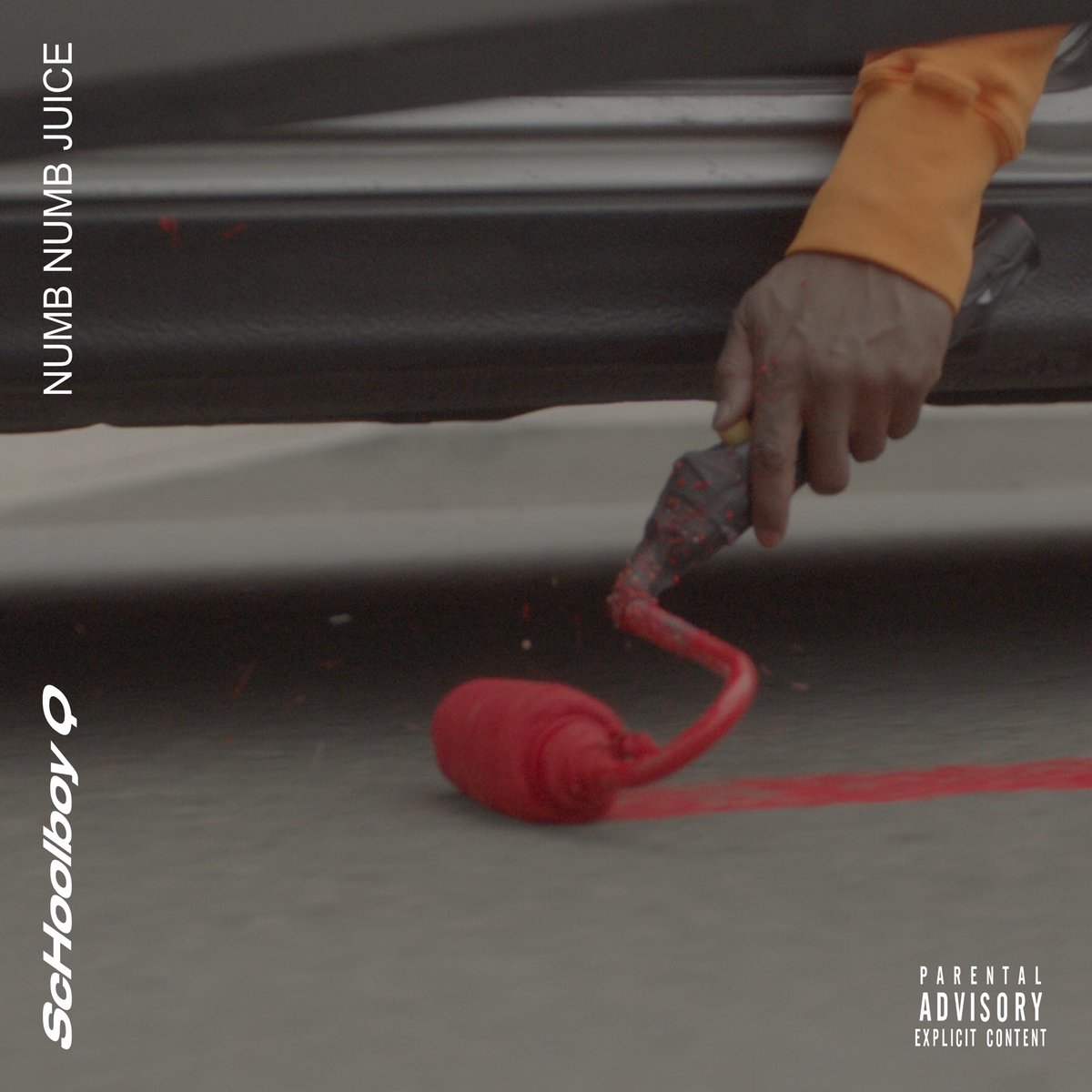
Following the death of his friend, Mac Miller, ScHoolboy Q has remained ostensibly silent. However, it would seem that a new release from the LA rapper is on the way with the release of his newest single “Numb Numb Juice.”
In this track Q gives his take on what he considers “bitch shit” even going as far as to sneak diss fellow emcee 6ix9ine.
Telling on your mans so you can scram, yeah, that’s bitch shit
The rapper blends several different flows on this track on top a beat masterfully curated by the likes of Nez & Rio, DJ Fu & Baby Keem.
The music video that premiered the same day as the single features several pop culture allusions like the now infamous Elon Musk, Joe Regan interview and the 1998 film Belly.
You could be numb and not to listen to this track, but if I were you I would give it a listen.
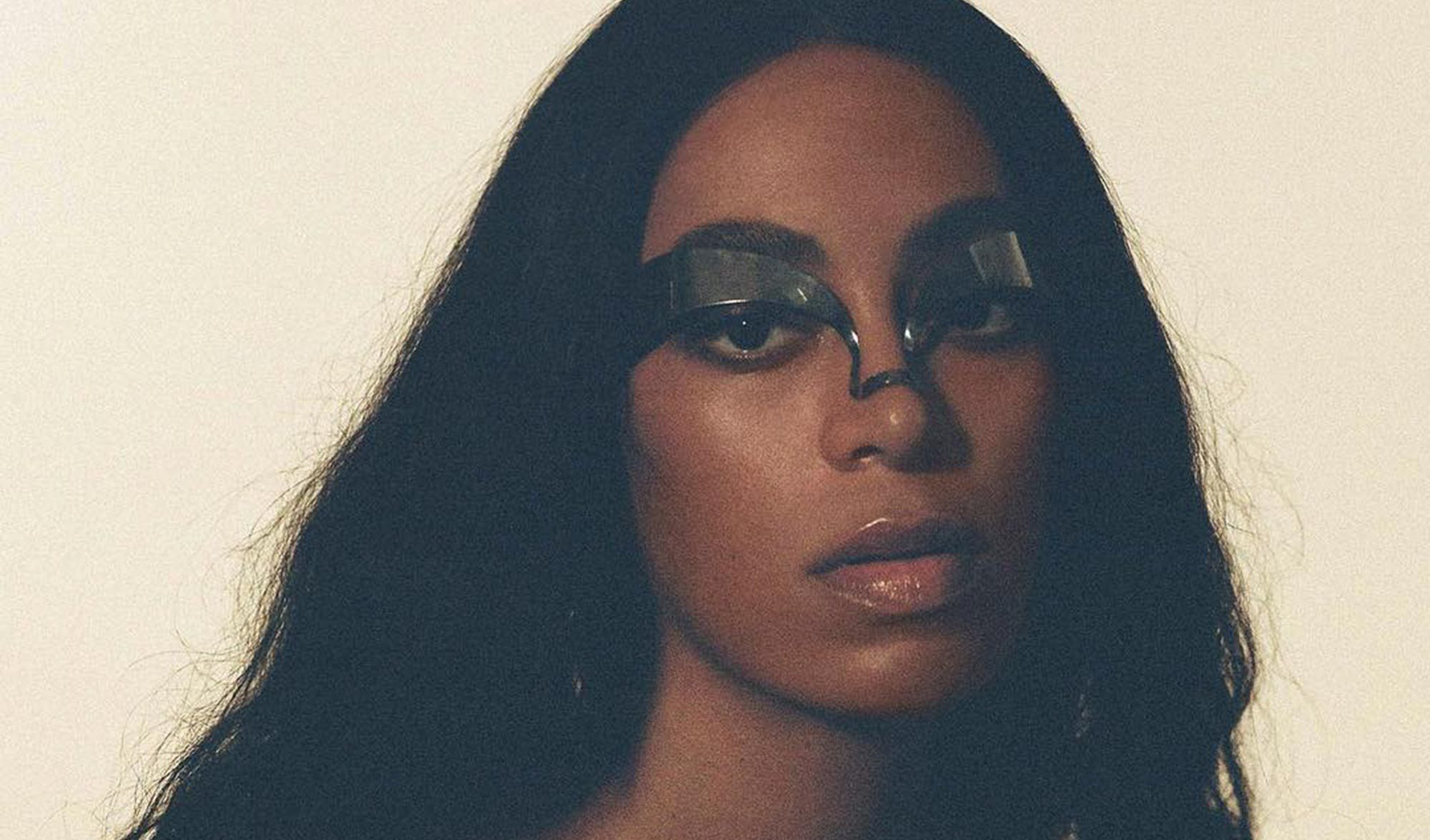
Repetition in prose and poetry is typically used to emphasize a feeling or an idea. A distinct rhythm is created by repeating various phrases or words that are meant to have an impact on the audience. If such is true for music, which it definitely is, then everything in Solange’s fourth studio album When I Get Home can be considered impactful.
Taking inspiration from some of the great soul artists of recent past like Stevie Wonder and Coltrane; Solange’s new record consists of long repeated verses, anecdotal references towards her life in Houston TX, and incredibly precise production. Solange being the de facto core producer of her own album meant she had a lot of creative control over all sonic elements. In an interview with Pitchfork, she called producing her “heart and soul” and revealed that:
it is rather difficult as a producer to be reduced to just the songwriter or just the artist when you spend 18 hours editing one drum sound….We’ve come a long way from that for women, but it’s still got a little ways to go—the way we’re able to have that conversation about Rick Rubin but we’re not extending that conversation to others
With that being said, it’s clear that her use of repetition was instrumental in communicating her feelings towards her hometown and by extent her life in general. She corroborates this once again in her interview with Pitchfork:
With this album I had so much to feel. Words would have been reductive to what I needed to feel and express. It’s in the sonics for me.
It certainly shows in the production of this record that Solange certainly had a lot to say about how she felt. Every track plays like a vignette focusing on one specific aspect of her life in Houston or black culture as a whole. This is achieved by her masterful use of repetition, which is by far the most captivating facet about this LP. Something repetition can emulate, especially in terms of musicality, is prayer or meditation. The repeating of a particular phrase or sound is typically used to facilitate a zen-like state in the individual participating, and the same can be said for When I Get Home.
The repetition of words can cause the listener to feel like they’re slipping into an out of body experience. The words become ambiance, their latent meaning cemented deep in the minds of the audience whether they’re fully conscious of it or not. Several tracks can pass without the listener even noticing. For some artists this may be the adverse reaction they’re hoping to achieve but for Solange this is a calculated choice.
Perhaps this effect is also thanks to Solange’s sonorous vocal performance throughout the whole record. She commands a soprano style of singing whilst blending a plethora of other tones and musical genres together. It’s more than just a soul record; it takes a variety of styles and mishmashes them into a genre-bending experience. This is yet another deliberate choice made by Solange. She takes the time to pay homage to the chopped and screwed style of remixing which was pioneered in Houston in the late 1980s and early ’90s. This tribute is best heard in tracks like “Almeda” and “The Sound of Rain.” However, the aforementioned dream-like effect created by Solange is best demonstrated by the opener of her album.
The very first track of When I Get Home begins with Solange repeating the phrase “things I imagined” and after the time signature changes, in one big crescendo, she repeats “taking on the light” before the track finally simmers down and seamlessly transitions into the following interlude. At a glance one might notice a possible disadvantage that comes with this style of music. The lack of complexity in her lyricism makes her music incredibly simple. However, what she lacks in lyricality she makes up for in pure substance. Her voice essentially becomes the music, rather than just layering over top of it. So much is apparent in “Things I Imagined” which features a piano that plays in time with her singing and in the same key as her voice. Her overwhelming focus on the sound of her record is self-evident and continues throughout the entire release. This is ground rarely tread by artists so hearing it done now is very refreshing.
Solange isn’t trying to hide anything with When I Get Home, each track is within itself, a piece of her life manifested in the form she loves and knows best. This is why her roots played such an important role in the creation of this record. Perhaps the free-flowing style of production she chooses is supposed to mimic her thoughts in some way. The audience, while drifting themselves, navigates through the fragmented memories as they go deeper and deeper into the track list. Just as Solange moves freely throughout her mind the audience is reminded of their own past and roams about their consciousness. With that being said the album is noticeably immersive.
Solange can evoke even the most ridiculous of imagery and emotion with her constant repetition. For instance, in the previously mentioned track, “Almeda” Solange repeats the words “Brown” and “Black” then follows it with seemingly random words that reference alcohol, luxury cars, and sugar. Creating symphonic assonance within the track. While it may seem like random gibberish to some, it’s actually a solid defense of southern black culture and exhibits the pride she feels in being a part of it. If this wasn’t explicit enough “Almeda” gets its namesake from the area located in Southwest Houston. However, what’s really interesting about this song is how it keeps in line with what the rest of the album is accomplishing. Nothing about the production of the album or overall quality is being compromised in order to communicate these complex themes clearly and this is a difficult feat to pull of gracefully. However, Solange does this effortlessly.
There are a lot of layers present in When I Get Home and Solange systematically peels through each and every one of them in order to get to the core. The core being her most visceral convictions and emotions. Solange allows herself to be vulnerable on this album and attacks the most personal parts of her soul. The audience floats past her most intimate sentiments and memories amongst a sea of hundreds other that play just like it. The final track “I’m a Witness” acts as a perfect sendoff for the listeners. It’s a slow ballad that ends the same as the first track did, with Solange repeating the phrase “taking on the light” with iambic stress on the word light. It’s almost like a prayer, a gesture of hope and cheer. Whatever story it’s telling the most important thing is that it’s coming directly from Solange. No matter what track you’re on Solange makes you feel at home.
For the past few weeks, heaps of individuals on Snapchat and Instagram have been flooding the platforms with videos of them precipitating their sneakers to see if they do indeed always land right-side up. There are thousands of videos about the so-called #Vanschallenge that both debunk and corroborate the validity of the claim at hand but what’s so interesting about this new trend is the sheer volume of attention its garnering. All the concentration has been on the seemingly magical properties of the shoe itself but something nobody has brought up is why this even happens in the first place.
Vans are created using a process called vulcanization. It’s a process that involves the heating raw rubber to cure it which in turn creates crosslinks inside the rubber compound bonding it together. However, the part most should be interested in is the sole of the shoe. The sole and outsole part of the shoe is made out of the heaviest material and goes through the most change during the vulcanization process.
The rubber shoe outsole parts are assembled onto the lasted upper before the rubber is completely cured. With the sole attached, the entire shoe must be heated in a vulcanizing oven. The shoe must be heated to around 110˚C for 80 minutes. Due to the fact that the sole contains the most mass, this means two things; Gravity will pull down on it with greater force and it takes a greater force to accelerate it.
Once you throw or drop a Vans shoe we now have to deal with air resistance. The force of air resistance acts on all parts of the object equally because gravity accelerates all portions an object equally when acting alone. In the case of these challenges, it usually is. Less massive parts of the object take less force to accelerate. So we have an evenly distributed force of air resistance acting on an object with uneven mass distribution. The less massive end will be slowed more than the more massive end. So the rubber part of the shoe AKA the sole lands first, usually.
However, what many have failed to realize is that this process is true for most other shoes. The soles of shoes are made to withstand the force of movement and the harsh environments humans are exposed to on a regular basis. The soles of men’s and women’s dress shoes are typically made from high-quality leather, rubber or a combination of the two. Casual shoes and work shoes often feature soles made out of natural rubber or polyurethane. It’s only natural that every shoe regardless of the brand would have the quality of always landing right side up. Such has been true for the people who have tested other brands of shoes like Converse and Nike and yielded the same results.
It makes sense that such an accessible shoe brand like Vans would be the poster child for the internets newest craze. Alternatively, the tweet that effectively started the viral Internet challenge does single out Vans shoes specifically.
Did you know it doesn’t matter how you throw your vans they will land facing up pic.twitter.com/nKVJCncW4H
The one nice thing about this challenge is that since its inception no one has taken it too far, yet. If this is gonna be the the things humanity loses their heads over, then so be it. It’s better than actually losing our heads.
So a lot has already happened in the new year and I’m three months late to the party. First R. Kelly gets indicted, then the Michael Jackson documentary gets released, and then for some reason, the Jonas Brothers come back? My life has been a little overwhelming recently but I’m prepared to start writing consistently again. Today I’m going to do an article I’ve wanted to for some time now, but first, here’s some context.
I’ve prided myself on the fact I listen to varied music for several years now. There’s something nice about listening to sounds that not many others have the aptitude or the time to hear themselves. In my growing catalog of music that is my Apple Music library, you can rest assured knowing that there’s a little something for everybody. However, it’s not very easy to keep that up.
For years I’ve tried various methods in order to keep my music playlist’s fresh and even so there are points where I end up listening to the same song over and over again for several days at a time. This article is going to detail a few methods that I use to find new music in order from most accessible to least.
Mixes and Playlists
A feature exercised by most popular streaming services like Apple Music and Spotify is their discover playlists. These are mixes created by complex algorithms tailored to your personal taste. It’s the simplest and least labor-intensive way of finding new music. Apple Music and Spotify have playlists upon playlists they’ve created that follow any number of random stipulations.
Some confine themselves specific moods and genres, others are created by fellow users. With the amount of music available on these platforms and the vast number of playlists being made, it’s incredibly easy to find new and inspiring artists to listen to. The only challenge comes in sifting through all of them. As a general rule of thumb; if a song doesn’t capture your attention by the first thirty seconds it’s unlikely it’s going to do so in the next two or so minutes. At that point, I would just move on.
Asking Friends
This method is a little less reliable but still works depending on who your asking. The friends you ask should be dependent on what you’re trying to focus on musically. If you’re lacking songs from a specific genre ask a friend who is a self-proclaimed expert on such. If you’re anything like me you’re likely to have a lot of friends like these and therefore are apt to have a large catalog of music to sort through.
If you’re not picky about any genre or artist a general poll works just as well, if not, a little better. Asking publicly on social media platforms or online forums is the most common approach I use. Just be prepared to get a lot of music you’re probably not going to like. Everyone’s tastes are different and what some people hear as good may not sound as pleasant for others.
Going Outside
This is my most archaic method of finding new music but it’s given me some of my favorite songs. Often times in restaurants, coffee shops, or even just metropolitan areas in general, some ambient music is played in the background for one reason or another. Whether its to fill space or just the make the room feel more alive there’s always music playing somewhere.
If you ever hear something out in public you like just Shazam it or make out some of the lyrics and search them up on Google later. It’s incredibly hit or miss but it’s one of the most valuable techniques I’ve started using. It’s especially helpful if you go to places focused on music like record shops and festivals. Opening acts to concerts work too, provided you don’t know the artist already.
These are just a few methods I personally employ but I encourage everyone to find their own methods that work for them. Music is consistently released at an increasingly fast rate and the fraction most are going to be able to examine should hold something special. It’s always thrilling diving deep into the rabbit hole of an artist you feel like you’ve just discovered.
Mac Demarco returns from his last musical venture almost a whole year later with one of his most stripped-down, minimalist singles to date. It’s a divergence from the sound he’s most famously known for but it seems to be a natural departure from his previous album This Old Dog.
“Nobody” is a single from Demarco’s upcoming album Here Comes the Cowboy. The music video released alongside the track features him in lizard makeup, a cowboy hat, slowly bobbing along to the soft guitar strumming, and mouthing along to the lyrics. It’s a strange concept that has meaning to nobody else but him, however, something tells me he prefers it that way.
The only sad thing about this release is that some people went and assumed Demarco was surreptitiously attempting to divert attention away from, Japanese artist, Mitski’s album of a similar name that released a year prior.
Originally written on October 8th, 2018 when this was relevant.
In September 2018 serious allegations were levied at, the now Supreme Court Justice Brett Kavanaugh, following his nomination for Supreme Court. The case has been active since early September and has only become more controversial since Kavanaugh’s confirmation into the Supreme Court on October 6th, 2018. With that said, one might ponder the possible future ramifications this could have on modern-day politics and what it says about the precedent being set by the Supreme Court system in general.
The already turbulent trial was met with much criticism as many attempted to blind the strict regulations of judicial hearings with their own personal agenda. With the inclusion of the #metoo movement in full swing, many are quick to act without first considering all the facts present within the case. It’s at this point that both the affirmative and opposing sides have come to an ideological standstill. Concerned citizens question whether morality should be considered in politics and others want to keep it as traditional as possible. Are we as a society able to adequately judge who’s right?
Well, Michael J. Sandel certainly thinks we do. In his 2009 book: Justice What’s The Right Thing to Do?, he maintains that society, “need(s) a more robust engaged Civic life than the one to which we’ve become accustomed. In recent decades we’ve come to assume that respecting our fellow citizens moral and religious convictions means ignoring them (for political purposes, at least) leaving them undisturbed and conducting our public life – insofar as possible – without reference to them, but this stance of avoidance can make for a spurious respect. Often it means suppressing moral disagreement rather than actually avoiding it.”
What he’s saying may bridge the gap between the opposing sides of the case. It’s clear that any case involving the possibility of sexual misconduct should be treated with the utmost respect and caution. However, in order for this matter to be considered a case there must always be an opposing side and simply having two words that say the opposite thing consistently brings any argument to an impasse. Despite the, as President Donald Trump said, “compelling” circumstantial evidence provided by Mrs. Ford, there is still no substantial concrete evidence that has been brought to the table in order for a justified conviction. This seems to be where the majority of aggravators and activists attempt to fill in the gaps with their own conclusions and agenda. The argument has now been reduced to two people attempting to prove their own idea of the truth with interjections from all political sides.
Does this mean that Sandel correct in his judgment of politics? Are we justified adding our own moral spin on a trial with little to no concrete evidence? Should we face these moral questions? Will it lead us to the truth without unreasonable discourse? The answer isn’t all that simple, and never has been. There are several angles to consider all of which muddle the case even more. Whose perspective is the right one? Is it the one with the moral high ground? That couldn’t be right, for everyone fighting believes their cause is virtuously superior. As a population, we are being led in circles with no hope of seeing a sensible end. Much like the politics of today, the pitfalls and traps are clearly telegraphed to the public. We simply keep falling into them.
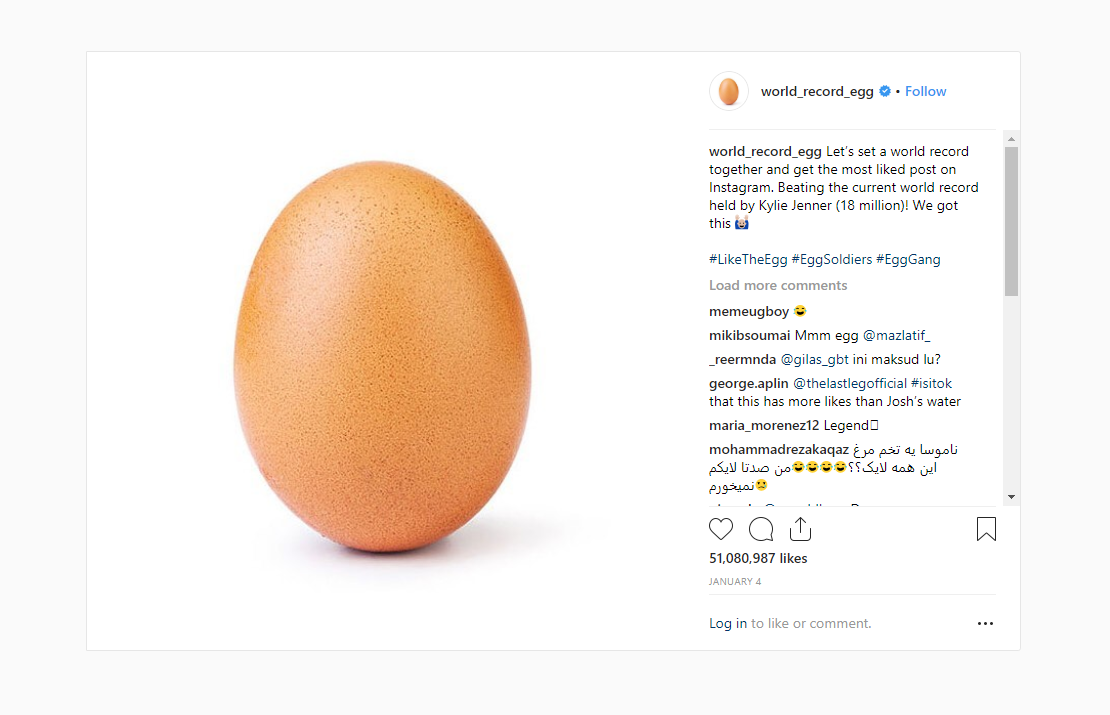
I’ve seen many posts on the internet attempt to use social media to expose an idea about virality and the rapid spread of information in the past. By and large, most aren’t especially successful. They all end up achieving the bare minimum of what they initially were supposed to do. However, a new viral media craze has ingratiated itself into the world Instagram. The most successful, polarizing, and fascinating new trailblazer manifests itself in the form of an egg.
The premise of the “world_record_egg” account was simple. It contained a singular static photo of an egg and its caption called upon the powers of the internet to help it become the most liked picture on Instagram. At the time the most liked photo had amassed eighteen million likes. It was no easy feat but a challenge the egg was willing to take. Sure enough in just a few weeks, it passed its milestone, but immediately after something else happened. It kept going. Eighteen million turned into nineteen million, then twenty, and soon it was thirty million. As of today, the post has garnered over fifty million likes and shows no signs of stopping anytime soon. In less than a month this egg attracted the attention of the entire world wide web.
The natural question many have is why. Why did it gain such a vast amount likes in such a short time span? Why should I care about it? Why did I like it? I’m going to attempt to answer these questions. In this article and hopefully by the end of it we will understand why this all happened in the first place and why this may be the best thing to ever happen to Instagram.
The appeal of the so-called “world record egg” can be explained by two main reasons. For starters it’s hilarious, albeit a bit silly, but hilarious nonetheless. The prospect of a generic photo of an egg being not only a world record holder but the number 1 most liked photo on the largest photo-sharing website on the internet is incredibly humorous. It’s scientifically known that humans are drawn to silly things. A good sense of humor is almost universally seen as a character strength. The egg clearly exemplifies that truth. As soon as the photo began circulating many spread it around as a joke. Nobody could have predicted the sheer stopping power it would eventually prove to have. However, it wouldn’t have nearly been as successful if the photo was of a human. Which is the second reason why the egg became so popular.
The project was selfless. The egg represented nobody. It wasn’t endorsed by any charity (at the time), it wasn’t connected to any celebrity or organization, it was just a still photo of an egg, nothing more and nothing less. An egg is common, it’s a widely known object that is so nonproprietary it could seemingly blend into any other random joke account. That’s the most alluring nature of its character. Its neutrality inadvertently became its most compelling virtue. The human behind the account has purposely chosen to remain anonymous. Even since its gained notoriety, only very slim details have been revealed about the enigmatic poster. However, I believe the creator’s choice to perpetuate their own anonymity is deliberate. If we could associate a face with the egg it would lose all sense of impartiality. It wouldn’t be a victory for the internet. It would a victory for them.
That’s what the egg truly is. A victory. Regardless of the underlying factors that led to the overwhelming success of the egg, it’s clear this took the combined effort of many. While fifty million doesn’t seem like a whole lot when you consider the fact that there isn’t even a single U.S. state that has a population of fifty million, you get a good perspective on the sheer magnitude of this situation. The egg represents the power we have as a unified populace. It’s an innocent concept, a clear thought amongst confusion. I’ve seen people laugh at the egg, criticize the egg, underestimate the egg, but I’ve never seen anyone marvel at the egg. Right now the egg is pure. Let’s just hope it stays that way.
Not long after posting my top ten albums of 2018 I came to a realization that I listen to a lot more current singles than entire albums in one year. Moreover, these singles are a lot more varied than the albums I typically listen to. It’s been my dream to expose the masses to media they haven’t seen or heard before. For that reason, I am making this new list which will be much denser. For the sake of time and to maintain a lack of redundancy I have omitted singles from albums that I’ve talked about in depth here already and I’ve also omitted singles I’ve talked about on my track reviews. So in alphabetical order by artist name, here are some of the finest singles of 2018.
“Thank U, Next” by Ariana Grande
I’ve talked about my rather elitist thoughts about the music industry before, and I’ve made it a point to be contrarian on a lot of topics revolving around music in general. However, this year Ariana Grande blew me away with her powerful single about forgiveness in relationships. I like the precedent she’s trying to set after her split with Pete Davidson. It’s a good message for her largely adolescent fanbase, and aside from that everything about this song is nice to listen to.
“When The Party’s Over” by Billie Eilish
Something about Billie’s voice makes me so somber. I suppose that’s the most substantial reason for why I enjoy this song so much. I don’t think Its main purpose is to be melancholy but I feel like that’s Billie’s greatest strength. Despite everything she consistently delivers a fantastic performance on every song she’s apart of.
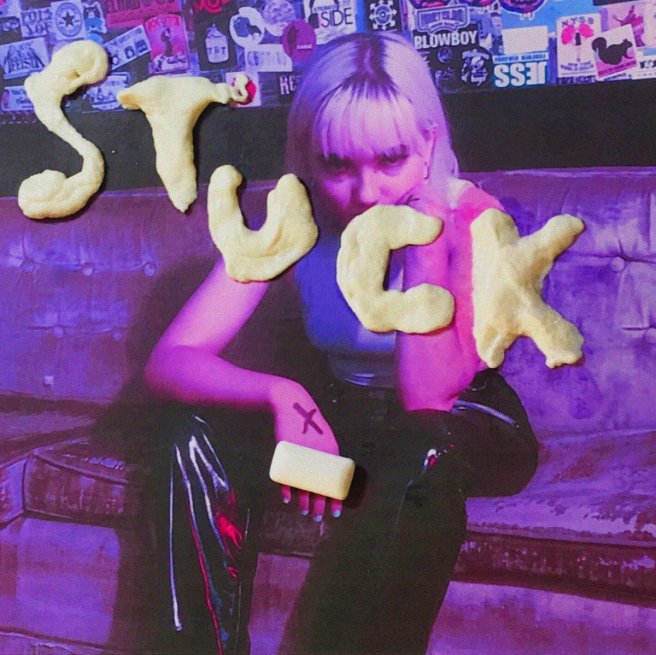
“Stuck” by Billy Lemos featuring Family Reunion
Billy Lemos and Family Reunion form an almost unbreakable pairing in this single. The easy listening guitar riffs from Billy Lemos and the vibrant coos from Family Reunion together create a fun, catchy track that’s sure to please the ear of any listener. It’s just a shame the song barely crack’s two minutes.
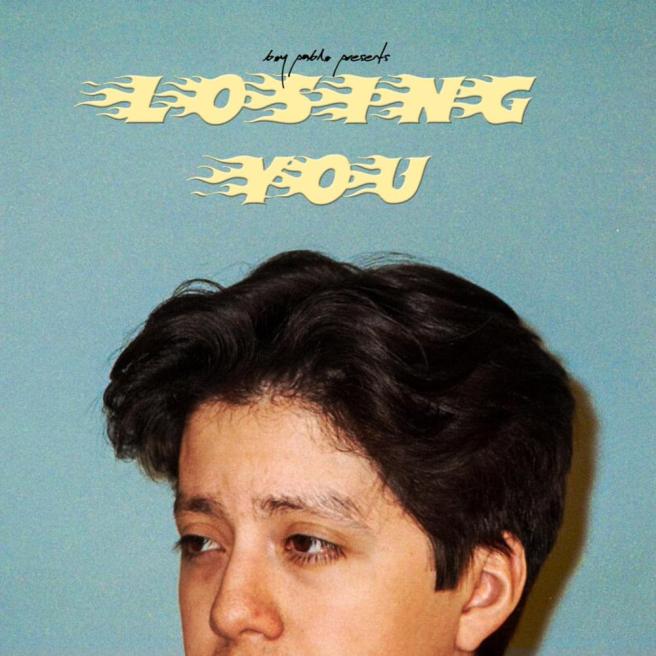
“Losing You” by Boy Pablo
It’s my current belief that nobody can make anything quite as catchy as Nicolás Pablo Rivera Muñoz. His voice is so unique but it pops out perfectly on every track he puts out, especially this one. He juxtaposes dreary subject matter over such a happy go lucky instrumental it’s hard to tell where his heart is half the time. Regardless of how I’m feeling I always find myself singing along to it.
“Attics” by BOYO
“Attics” is the track you listen to when you want to wind down. Everything about it is mellow. It’s one of those songs you listen to when driving across the coast at night when no one else is on the road, or when you need something to lull you to sleep.
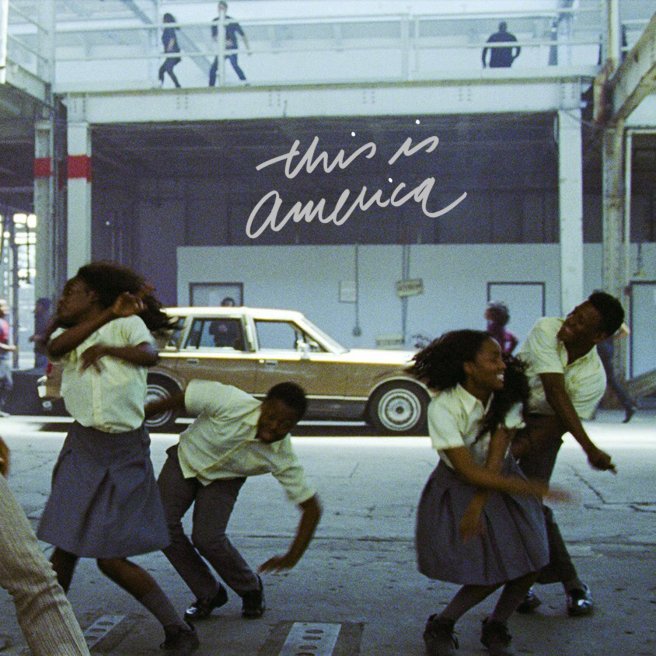
“This is America” by Childish Gambino
Donald Glover’s politically charged social commentary garnered more than just the attention of a few news outlets. It gained nationwide acclaim for its implications about today’s society. The fact that its catchy and easy to dance to seems to serve its overall purpose even further. Donald Glover knew he was making a hit as he created this track, and deservedly so. The world needed to hear it.
“Who Hurt You?” by Daniel Caesar
Daniel Caesar consistently releases some of the most beautiful singles I’ve ever heard. While he has yet to move to any new territory lyrically, he always manages to make his tales about failed love sound appealing. I suppose that’s the sheer power of his heavenly voice. The uncredited T-Pain cameo is also much appreciated. The collaboration is very fitting, as T-Pain has a song of his own dedicated to a stripper.
“overworld” by eugene cam
Eugene Cam is one of the greatest producers I’ve ever heard. He can turn any sound into something pleasing to listen to. This track is no exception. There are no lyrics, there is no deeper meaning, it’s just three minutes for you to be lost in sonorous sounds. In all honesty, that’s what every song should strive for.
“Break My Heart Again” by Finneas
This one is for the people who want to get lost in their feelings. “Break My Heart Again” is a saddening vignette about Finneas O’Connell’s brush with heartbreak. He’s gone on record saying that some of the lyrics are verbatim texts he’s sent to his ex-lovers, hence why you can hear iPhone key’s tapping at the beginning of the track. This is one of the longer singles on this list of sorts and it’s for good reason. Finneas takes his time on this track. His slow pace fuels the pain behind his words.
“Leave Me Alone” by Flipp Dinero
Flipp Dinero embodies most things I like about modern rap. Fast paced verses and production, vulgar lyrics, and little to no direction. One might call those weaknesses, but I always find enjoyment in the little things nobody seems to care about. His naturally raspy voice clears up a little bit as he sings the chorus very energetically. What you see is what you get. It’s a fun track and nothing else.
Beauty and Essex by Free Nationals featuring Daniel Caesar & Unknown Mortal Orchestra
I had this song recommended to me a few days ago and in that short time span I’ve fallen in love with it. I understand I’ve already featured a Daniel Caesar song on here but can you really blame me? He has the voice of an angel. Yes, its another song about sex but Daniel Caesar has the uncanny ability to make it sound much deeper than that. For that reason alone, I believe everyone should listen.
“After The Storm” by Kali Uchis featuring Tyler, The Creator & Bootsy Collins
Kali Uchis has such a graceful voice its hard to tell what she can’t sing over. This track makes efficient use of the musical stylings of the band BADBADNOTGOOD and Tyler, the Creator. The song feels retro but maintains that contemporary vibe most songs today hold onto. It’s incredibly nice to just sit back and listen to.
“Falling Down” by Lil Peep & XXXTentacion
The late Gustav Elijah Åhr and Jahseh Onfroy deliver us a powerful song from beyond the grave. Something about this song is so haunting but so intriguing at the same time. There’s a lot here that I don’t think was fully developed in the short career’s both of these rappers had. It’s sad to hear what could have been two fantastic artists have their career’s cut so short. At least we have something to remember them by.
“William” by Moontower
Moontower captures any kind of vibe they want to with their synth-infused rock anthem “William.” The track follows the protagonist aptly named William as he fights to gain the courage to find his unnamed heroine. A lot is ambiguous about the song but whats most salient is its excellence in musicality. It’s a track that has appeal for everyone.
“disappear daily” by Ollie MN
From the first line Ollie croaks to the meek scat singing he does at the end of the track the listener can hear the weakness in his words. The track acts as a love song and an ode to anxiety. There is such a strange casual nature that blankets the track that makes it such a unique take on what is normally bleak subject matter. It doesn’t help that the instrumental is so upbeat either but I suppose that adds to the overall allure of the track.
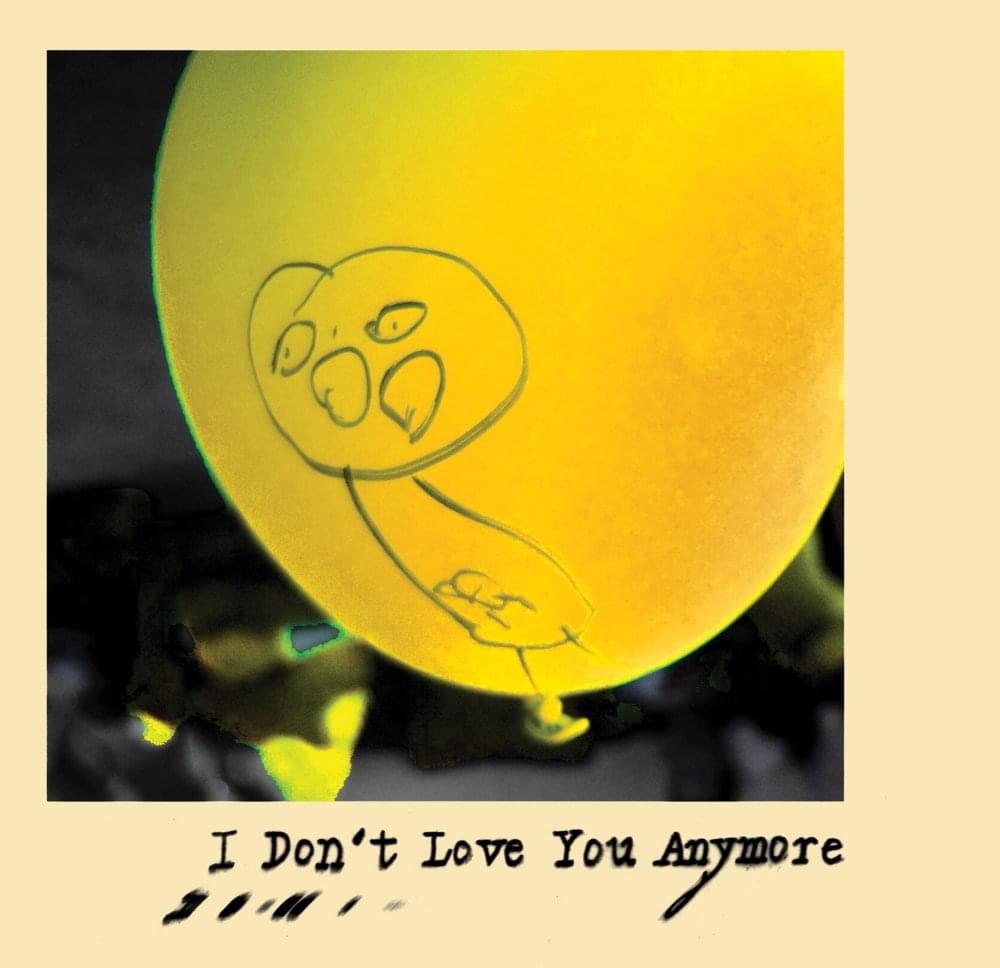
“I Don’t Love You Anymore” by The Honeysticks
This was my favorite song for a time. Something about the title caught my eye and from the opening drum beat, I was instantly hooked. Everything about this song is elegant. The soft, matter-of-fact way Ricky Montgomery delivers his words, the scat singing in the chorus offer the listener such an unusually enjoyable musical experience.
“Moving On” by Sarah and the Sundays
“Moving On” is the most generic kind of songs. It’s medium pace, it has a general instrumental, and it covers a pretty standard subject matter. Despite all that, it’s still one of my favorite songs of this year. I can’t put my finger on it, perhaps it’s the lead singers adolescent voice, or maybe the generic sound just appeals to me because it’s so universal. Regardless, its definitely worth the listen.
“One of a Kind” by Scott James
Scott James makes everything he says sound like a riddle. He sings with such a vulnerable voice but always pipes up midway through the song as if in every track he overcomes a difficult challenge. “One of a Kind” is a track best experienced alone. It’s unknown who Scott James is singing about in this track. Just that he worries about them dearly. That ambiguity is enough to make the track just that much more enticing.
“New Coupe, Who Dis?” by Smino featuring Mick Jenkins
Smino always makes good use of some of the most idiosyncratic beats I’ve ever heard. There are so many changes to flow of the track, and funny ad-libs the song is just a blast to listen through. Both Smino and Mick Jenkins carry their weight lyrically, which is a rarity for most duo rap songs.
“Speaking Of” by Souly Had
The final song I’m talking about here has especially hard-hitting lyrics. I had no clue there were so many flowery ways to describe heartbreak until I heard this track. It’s relatable in the most frustrating of ways. Time and time again there comes a song that you feel was specifically written for you. I’m almost certain that many feel that way about this track. Give this one a listen, its a gorgeous ballad.
It may or may not be a secret to some that I listen to a lot of music. I recently calculated how much I time I spend listening to music and I figured out that I’ve listened to over 150,000 minutes of music in this year alone. To put that in perspective that’s like listening to music nonstop for 104 days. This isn’t me trying to brag, I can already hear the tapping of keys spelling the words “weird flex but ok”, this is just me explaining that this admittedly arbitrary list was difficult to make. Regardless here I am 360 days into the year delivering what I believe are the best albums I’ve heard this year. But first, here are some honorable mentions in no particular order.
FM! by Vince Staples
Vince Staples continues his discography with an album about summer that released in winter. FM! delivers everything you would expect from a Vince Staples album and then some. Vince still uses his sharp tongue to deliver some incredibly dense lyrical schemes that add to the overall enjoyment of the album. The small Earl Sweatshirt feature was also quite unexpected but equally as welcome. Give this one a listen if you haven’t.
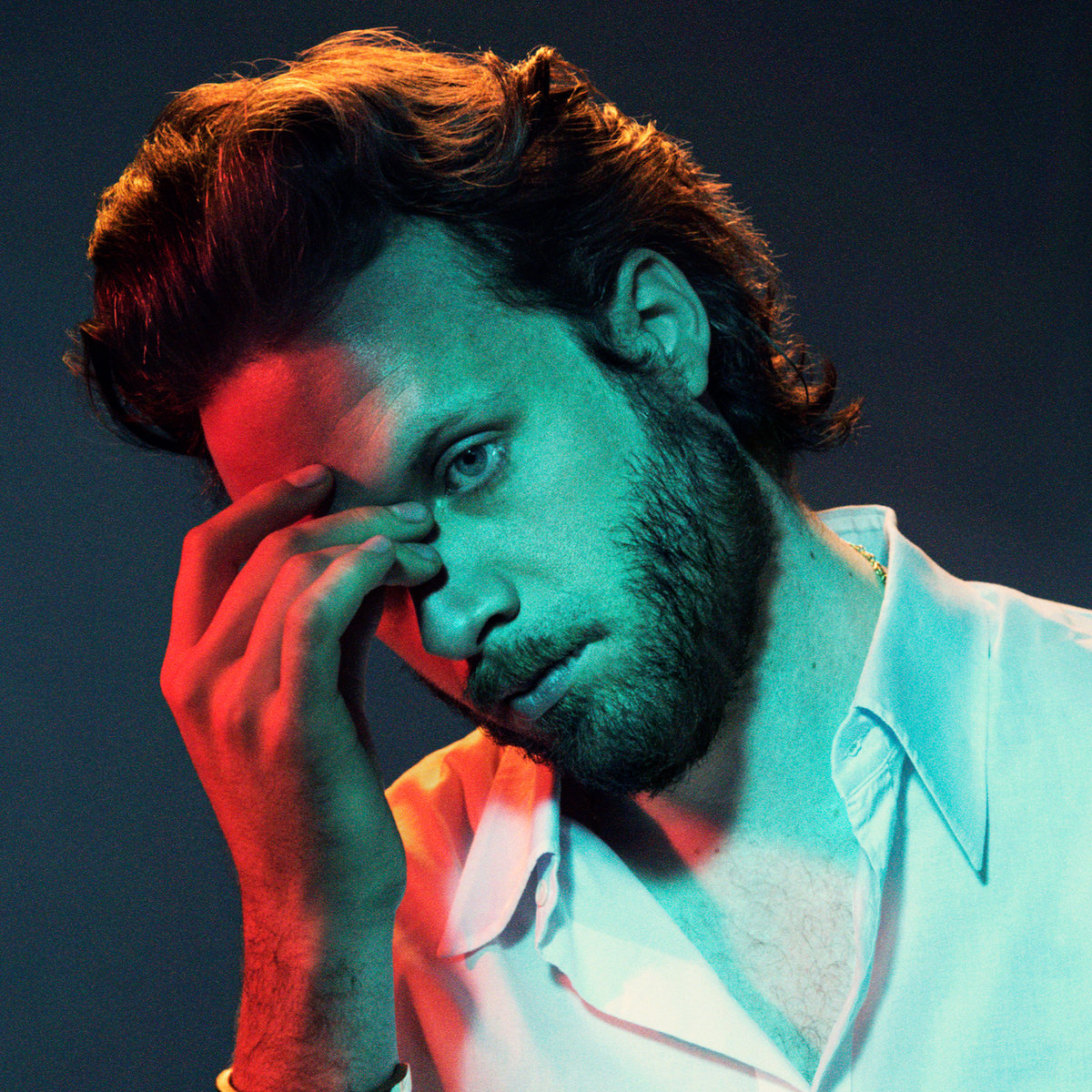
God’s Favorite Customer by Father John Misty
If you read the article I wrote about this album earlier in the year you’re already well aware of what I think about this album, but just to reiterate I really enjoyed what this album means for Father John Misty. It is a step in the right direction and gives an unbiased look into the character Joshua Tillman has created.
ONEPOINTFIVE by Amine
Amine was one of the few artists from the XXL’s 2017 freshman list I wasn’t worried about. His debut album Good For You already proved he knew where he was going musically and his sophomore album has only validated that fact further. If you were somehow skeptical after listening to Amine’s first album I implore you to listen to ONEPOINTFIVE it is an incredibly original and impressive musical adventure.
ASTROWORLD by Travis Scott
I wasn’t much of a Travis Scott fan going into this album but coming out I knew I was hooked. Indisputably, the most fascinating part about this record is the features. Name’s like Drake, The Weekend, Quavo, Takeoff, and Kid Cudi are ultimately what sold this for a lot of people including myself. However, that doesn’t mean Travis Scott’s performance is weak. “5% TINT” and “COFFEE BEAN” remain my favorites from this record which solely feature Travis Scott. If you’re looking for an easy listening rap album this is definitely your best pick.
Cold Heart by Thirdstory
Singer-songwriter, R&B group Thirdstory blew me away this year with their debut album Cold Heart. A 44-minute ode to heartbreak, this album is definitely one of my favorites this year. I would advise you to get into Thirdstory fast before they blow up and everyone starts listening to them.
Now with those albums out of the way here is my official top ten. While I did listen to a lot this year there were some albums I wasn’t able to thoroughly get through before the year was over and for that reason, they aren’t on this list. There are definitely a lot of amazing albums that came out this year and fitting it to one short list was very difficult. Anyway, starting from number ten we have…
10. Existential by Makeout Reef
Existential takes everything that made Makeout Reef an amazing group and dials it up to eleven. After listening to this album I am convinced Makeout Reef owns the title of “garage band.” The gritty production, the constantly booming audio, the overall amateurish nature of the album is what makes it so unique and fun to listen to. At this point, I’m just waiting for them to get signed so they can continue to produce amazing music.
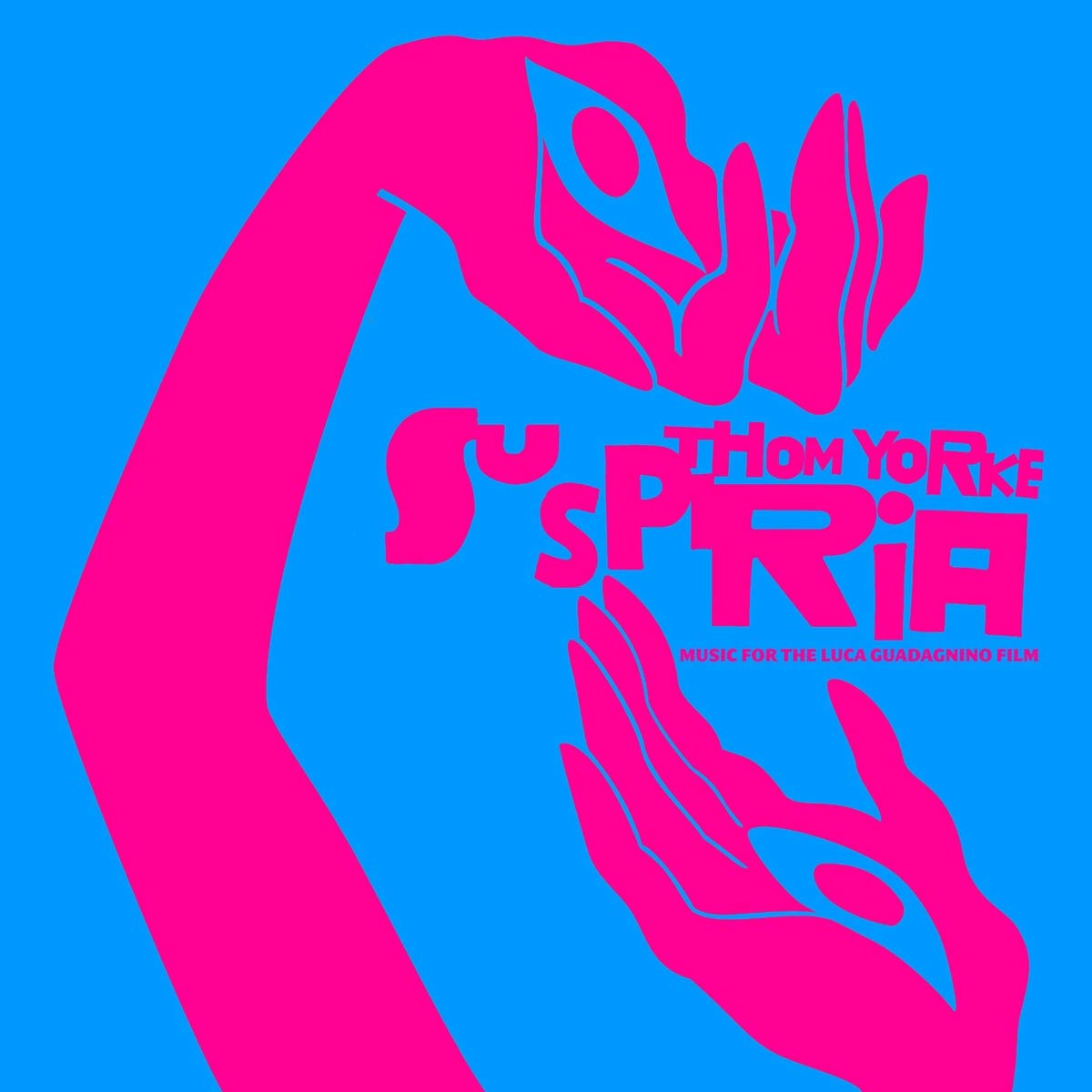
9. Suspiria by Thom Yorke
The soundtrack Thom Yorke created for Luca Guadagnino’s film Suspiria is a chilling masterpiece. It is an incomparable mess of sounds and tones thrown together into one big beautiful spectacle of audio. The few songs that are intelligible are incredibly cold and harrowing. It feels like there is a hidden evil lurking beneath the music just waiting for the right moment to strike. The striking imagery that is coupled with the songs are equally as abstract and communicate such strange motifs. I have yet to watch the film but I can only imagine how perfectly it fits Luca Guadagnino’s style of filmmaking.
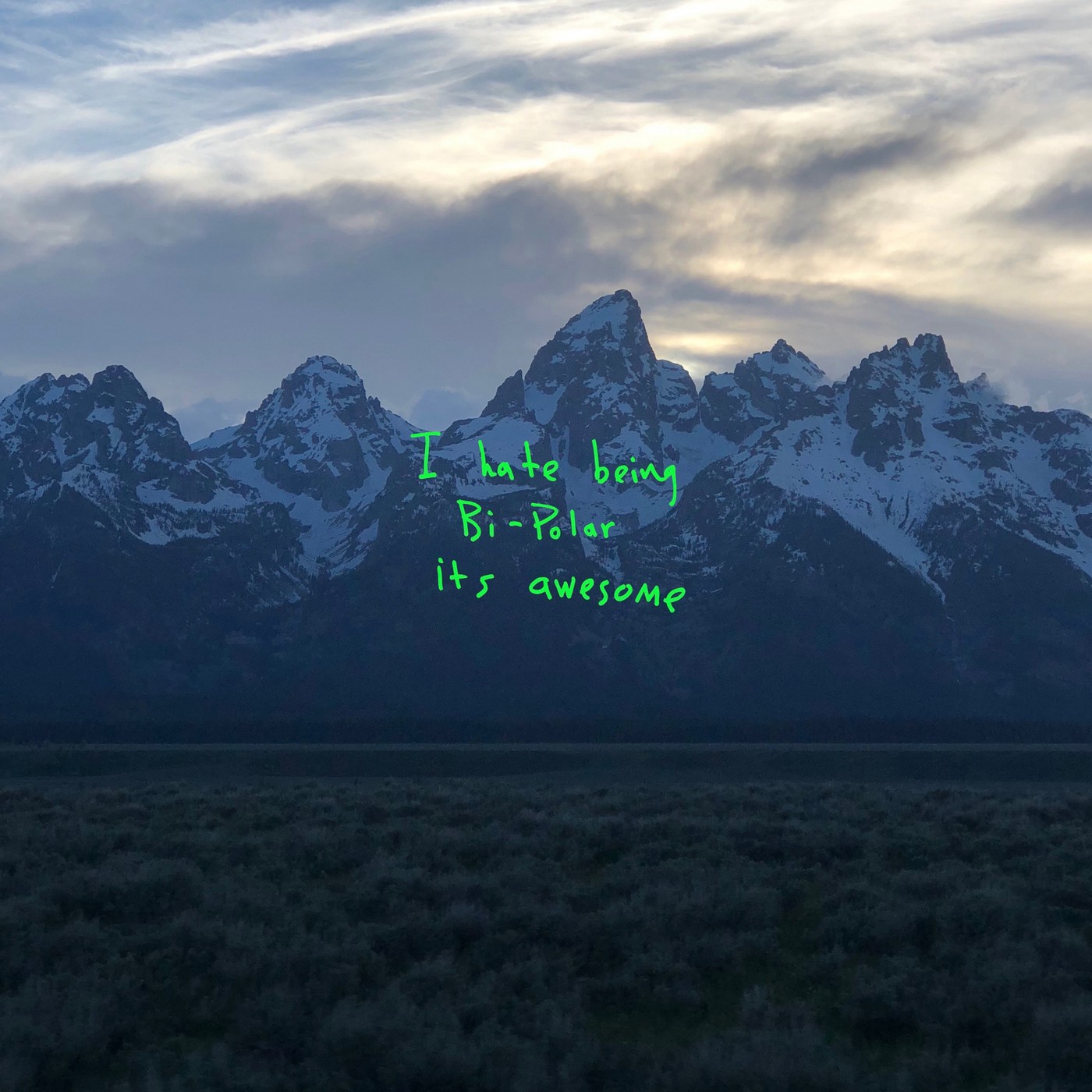
8. ye by Kanye West
Kanye Wests short-lived eighth studio album ye displays two things about the titular artist. One: Kanye has really lost the ability to care and two: Kanye has still got it. The Life of Pablo was an incredibly disappointing mess with a lack of any coherent direction and a mishmash of conflicting ideas. On the other hand, ye is a fully realized piece of art that stays as long as it needs to in order to adequately fulfill its purpose. Each song is a cohesive vignette about Kanye’s concurrent struggles and allows the listener a constructive look at the enigmatic artist. It’s definitely up there with some of Kanye’s best work despite barely cracking 25 minutes.
7. KIDS SEE GHOSTS by KIDS SEE GHOSTS
Coming in at number seven is yet another album that heavily features the everpresent Kanye West. It’s difficult to say what hasn’t already been said about this album. Simply put, its a flawless display of the true staying power of Kanye West and Kid Cudi. These two have likely unwittingly created a classic that will continue to be spun into the distant future.
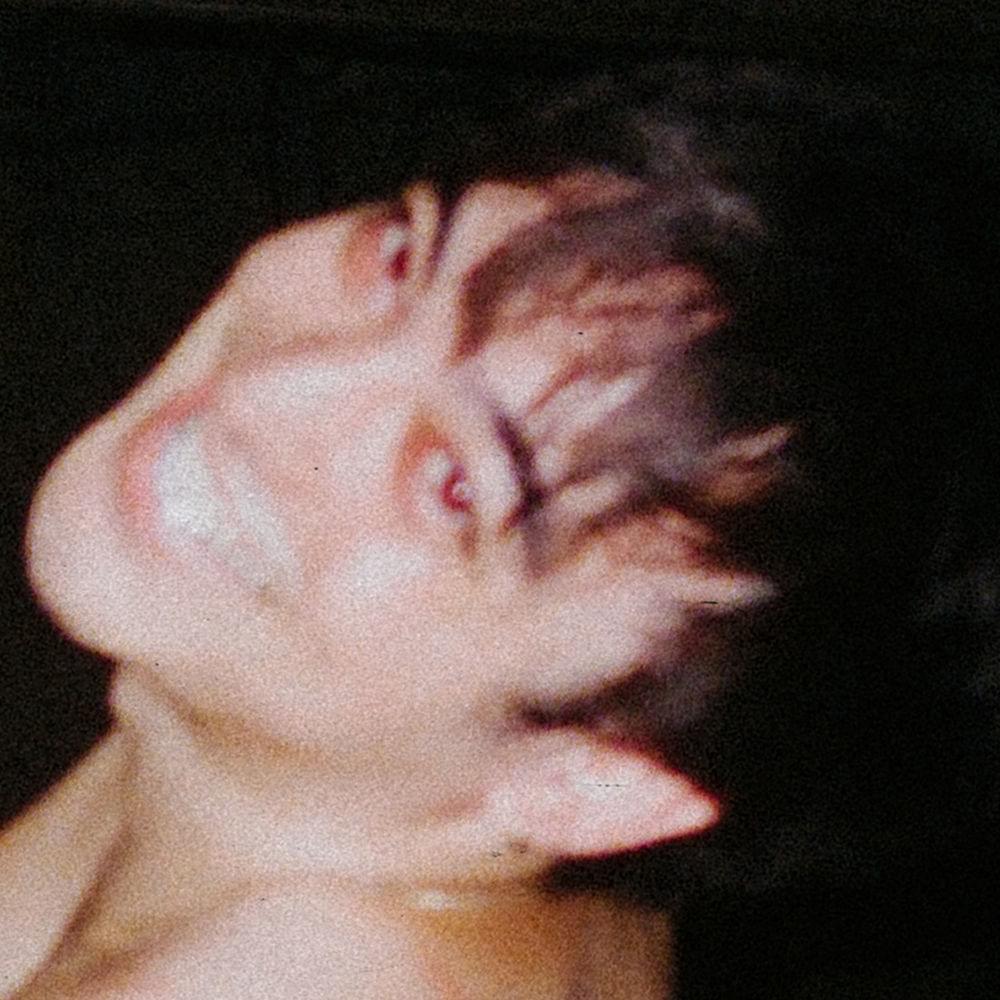
6. BALLADS 1 by Joji
BALLADS 1 left a lot to be desired from the 88rising’s poster boy, Joji. Aside from being a bit scary to look at, the album is widely panned due to the sheer number of forgettable cuts. However, the one thing that saves this album and the reason why it places so highly on my list is the amount of absolutely flawless tracks this album boasts. The first six tracks are some of the best songs Joji has put out in his admittedly short career. The remaining six arents bad by any stretch but they certainly do leave a lot to be desired. The title of the album implies this is to be an ongoing series of albums Joji plans to release and if that’s the case, color me excited.
5. Some Rap Songs by Earl Sweatshirt
Earl Sweatshirt is a true master of his craft. With barely any promotion, he has created one of the most standout rap albums of the year. With little to no features, bare-bones production, and Earl’s complex hard hitting lyrical prowess the album epitomizes everything that makes Earl standout among the other big names in the music industry. He has carved out his own place in the rap scene that only fits him perfectly, making him an irreplaceable part of the constantly evolving music community. Let’s just hope we don’t have to wait another three years to hear more of his musical genius.
4. No Doubt by Braxton Cook
I recently got into jazz this year and one of the albums I first listened to this year was No Doubt by multi-instrumentalist, Braxton Cook. I’m not sure what it is about this album that makes it feel so good to listen to. The lush texture of the vocals, the beautiful saxophone solos, perhaps the overall musicality of the album is what makes it so amazing. Braxton Cook simply understands music far greater than a lot of other artists out there and he makes that astonishingly clear in this record. I recommend this to all fans of jazz new and old, as well as people who are looking to get into the genre as a whole. It’s an amazing display of the genre’s musical shift into more hip-hop and R&B focused elements.
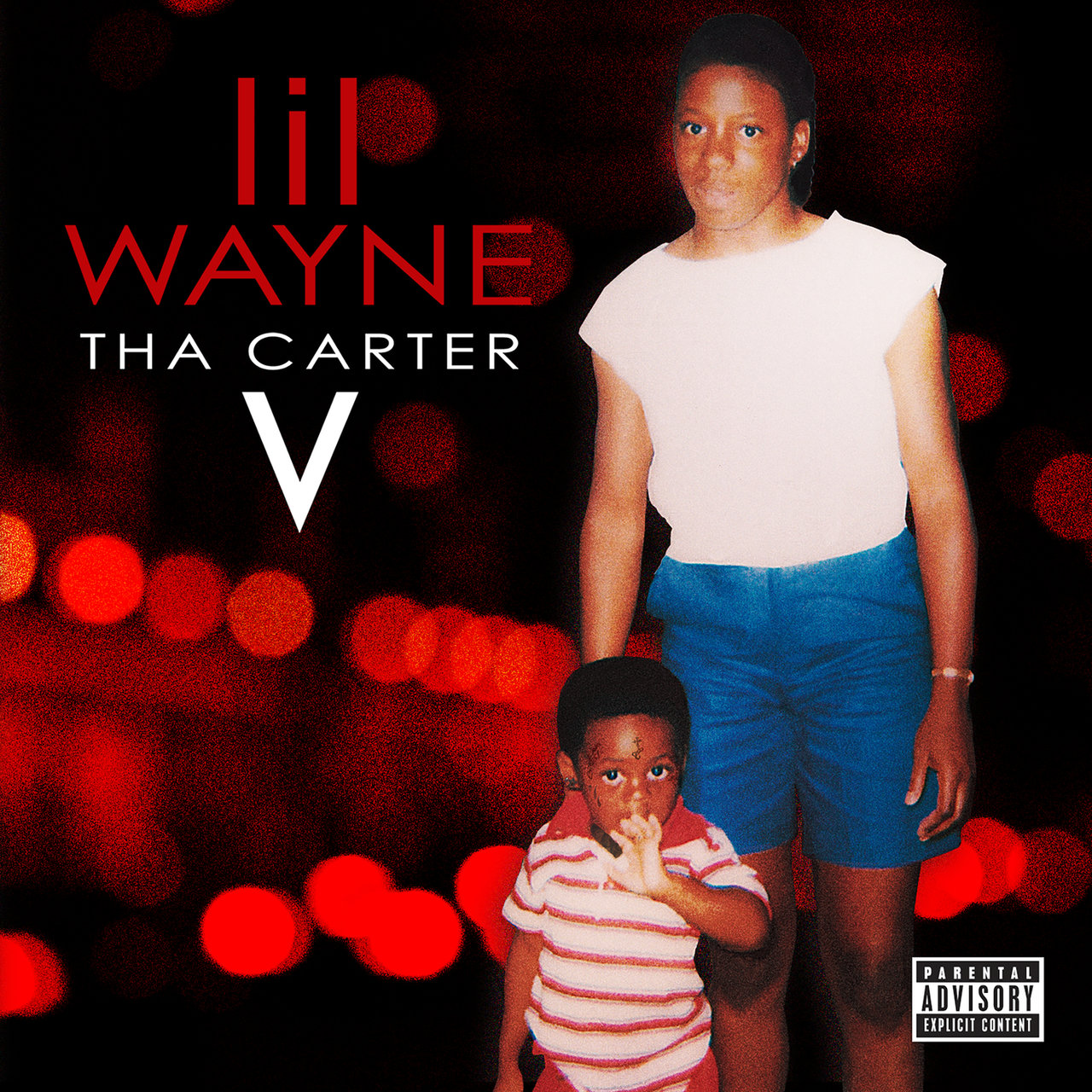
3. Tha Carter V by Lil Wayne
Allow me to begin this paragraph with an incredibly audacious statement, Tha Carter V has no bad songs. Yes, you read that last remark correctly. After listening to Lil Wayne’s fifth entry in the Carter series I almost immediately knew it was one of my favorites of the year. Starting with a heartfelt message from Lil Wayne’s mother followed by an amazing feature from the late XXXTentacion and ending with the especially powerful song “Let It All Work Out” which deals with the heavy topic of suicide. Every track has something new and interesting to offer that constantly pushes the inherent threshold the rap genre poses to most artists. The production is very creative on this album and Lil Wayne is able to seamlessly lead the listener through virtually any story he wishes to tell. I am now a massive Lil Wayne fan and I plan to listen back into his discography. This album is a definite must listen to anyone even remotely interested in the rap genre.
2. Year of the Snitch by Death Grips
Before I begin gushing about Death Grips’ newest masterpiece I’m going to admit something I’ve held onto for some time now. I used to have some pretty elitist sentiments about Death Grips. After the release of their fifth studio album Bottomless Pit, I thought that I could no longer be surprised by them. To me, the record was in some sense a victory lap for the trio. Sonically it was their most familiar record to date. It consisted of their usual fast-paced, visceral, experimental hip-hop that everyone had long since grown accustomed to. That’s not to say the album was bad, mind you. It was just predictable. Now allow me to eat my prior sentiments because Year of the Snitch is one of Death Grips’ most impressive, unprecedented, and engaging records to date. So much about this album calls back to what initially made me fall in love with the California-based trio. That lighting-fast, animal-like production, and lyrics give me chills every time I listen to one of the tracks off this LP. At long last Death Grips has come back to reclaim their position as the cornerstone of all experimental hip-hop.
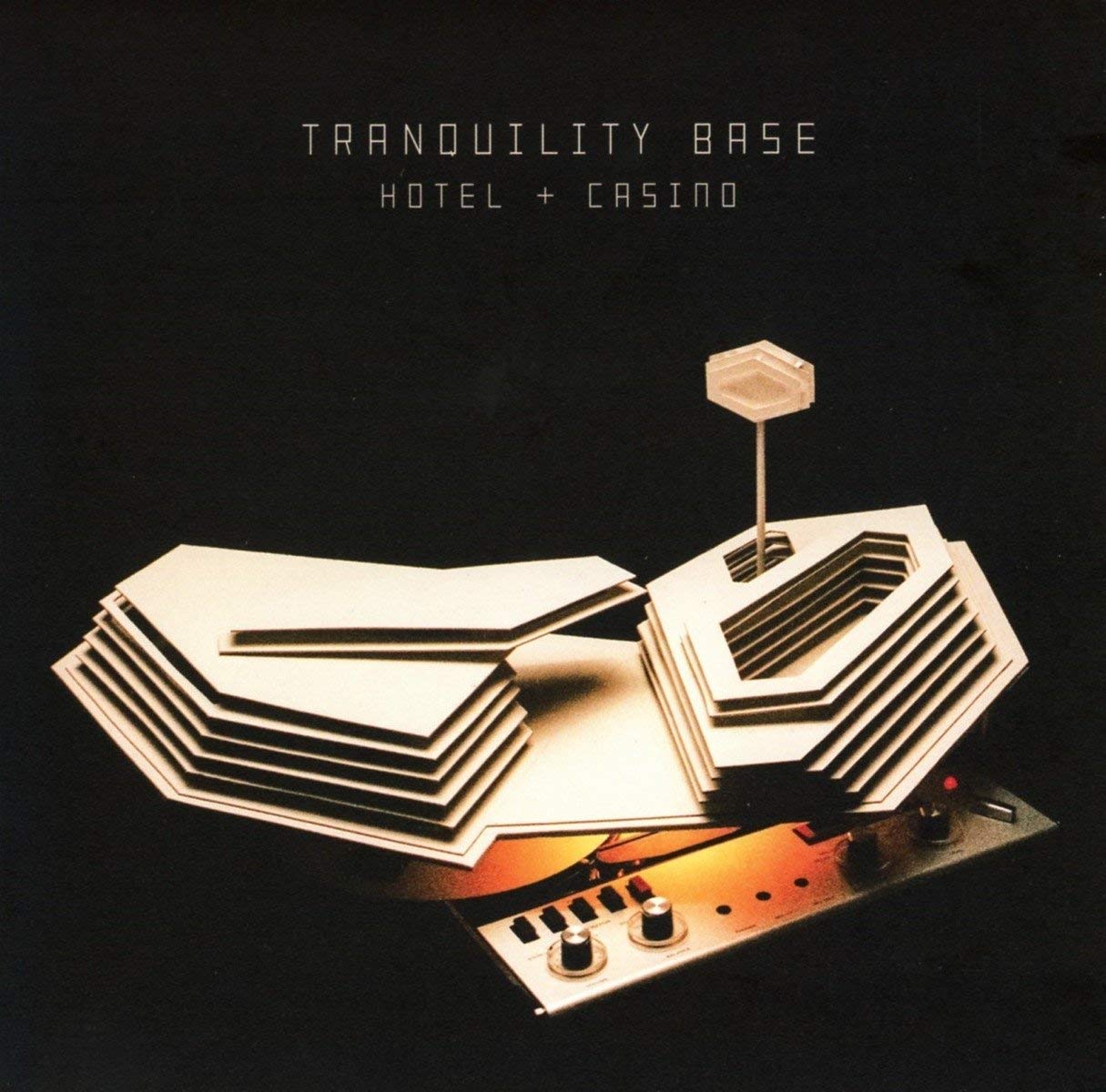
1. Tranquility Base Hotel & Casino by Arctic Monkeys
At last, my favorite album of 2018 is this genre-defying hallmark of an album by one of my all-time favorite bands. There is a vast amount lasting appeal in this album that has the power to draw in even the most exclusive of audiences. I can still remember the two-month bender this album took me on where the only thing I was able to listen to and talk about was this. It’s what inevitably lead to me to talk about this album on this website. That article remains one of my favorites one of my most popular. For good reason too. I put a lot of work into it simply because I was so enthralled by the album. Ask anyone who knows me, whenever “Star Treatment” or “Four out of Five” comes on in the car I will leave it on and sing it the whole way through. Artists spend their entire careers attempting to capture even a modicum of what Arctic Monkeys is able to accomplish in just one album’s runtime. The beautiful cosmic themes this album plays with and Alex Turners unbelievable vocal performance throughout the entire record barely scratch the surface of the boundless potential Arctic Monkeys displays in this record.
Thank you for reading my top ten favorite albums of 2018. I hope you enjoyed reading my scattered thoughts about music. If you’re a loyal reader of this website or a first timer I appreciate you taking the time to read my stuff. I have a true passion for writing and I hope to continue writing for this website in 2019. I wrote a lot in just one year and I plan to widen my spectrum of topics and begin talking about more than just entertainment. For all intents and purposes, I am a jack of all trades, and I hope my website will reflect that sentiment soon enough. Thank you all again! I’ll see you in the next one.
 For the past few weeks, heaps of individuals on Snapchat and Instagram have been flooding the platforms with videos of them precipitating their sneakers to see if they do indeed always land right-side up. There are thousands of videos about the so-called #Vanschallenge that both debunk and corroborate the validity of the claim at hand but what’s so interesting about this new trend is the sheer volume of attention its garnering. All the concentration has been on the seemingly magical properties of the shoe itself but something nobody has brought up is why this even happens in the first place.

















 Turn off the Bright Lights